Preconvention CE Workshops
Back by popular demand, our in-person Preconvention Continuing Education Workshops are returning to Washington, DC!
We are delighted to open APA 2026 on Wednesday, August 5 with an exceptional lineup of 15 three-hour Preconvention Continuing Education Workshops. Join us to learn alongside distinguished psychological experts and strengthen the connections that matter most to your work.
All Preconvention CE Workshops are available for an additional fee and will be held at The Walter E. Washington Convention Center. Enrollments are accepted on a first-come, first-served basis. Space is limited, so early enrollment is strongly encouraged. We look forward to seeing you there.
Preconvention CE Workshops are offered by the APA Continuing Education Committee and the APA Office of Continuing Education in Psychology.
Preconvention CE WORKSHOPS
Morning Workshops: Wednesday, 8/5 from 9:00 a.m. to 12:00 p.m. ET
Addressing Grief and Loss in Clinical Practice: Differential Diagnosis and Intervention Strategies
Workshop Description
Workshop #: 001
Education Level: Intermediate
Our patients experience the deaths of partners, friends, and family. Other losses result from the endings of relationships, employment, and roles important to personal identity. This intermediate workshop reviews assessment practices to assist with differentiating normative grief reactions from prolonged grief disorder, major depressive disorder, and posttraumatic stress disorder. Insights from the neuroscience of grief are applied to support healthy grieving for adults across the lifespan, with consideration for special cases of anticipatory and disenfranchised grief. Clinical interventions are featured that are appropriate for traditional psychotherapy and integrated care settings, with an emphasis on culturally congruent treatment.
Learning Objectives
- Apply methods for screening and differentiating among normative grief reactions, depression, PTSD, and DSM-5-TR prolonged grief disorder.
- Explain the rationale and implementation of three clinical strategies to support healthy grieving by culturally diverse adults across the lifespan.
- Develop a culturally responsive treatment plan to address physical, neurocognitive, emotional, and psychosocial features of grief for a current patient.
Presenter

Ann Steffen, PhD, ABPP, University of Missouri-St. Louis
Ann Steffen, PhD, ABPP, is Founders Professor of Psychological and Brain Sciences, University of Missouri-St. Louis. Dual board-certified in Geropsychology and Behavioral and Cognitive Psychology, she is the author of CBT with Clients in Midlife and Beyond: A Clinician’s Guide to Effective Practice (in press) by Guilford.
Assessing Autism Across Age, Sex, and Gender: Evidence-Based Strategies for Complex Presentations
Workshop Description
Workshop #: 002
Education Level: Intermediate
This workshop examines evidence-based approaches to assessing autism across age, sex, and gender, with emphasis on complex clinical presentations that are frequently underrecognized or misdiagnosed. Drawing on contemporary research on the female autism phenotype, camouflaging behaviors, and gender-diverse presentations, the presenters review limitations of standard diagnostic frameworks and commonly used assessment instruments. Participants learn strategies for integrating developmental history, multimethod assessment data, and differential diagnostic considerations to improve diagnostic accuracy. Clinical cases illustrate how internalizing symptoms, masking, and co-occurring conditions influence assessment outcomes and inform ethical, evidence-based diagnostic decision-making in real-world psychological practice with diverse clinical populations across the lifespan.
Learning Objectives
- Identify empirically supported differences in autism presentation across sex and gender relevant to clinical assessment.
- Evaluate limitations of commonly used autism assessment tools in complex or masked clinical presentations.
- Apply evidence-based diagnostic strategies to improve accuracy in autism assessments involving female and gender-diverse individuals.
Presenter

Jessica Scher Lisa, PsyD, St. Joseph’s University, New York
Jessica Scher Lisa, PsyD, is a licensed psychologist who serves as an Associate Professor in the Department of Child Study at St. Joseph’s University, New York, and is the founder and director of Long Island Mental Health & Wellness. Her work focuses on neurodiversity-affirming assessment and intervention for children, adolescents, and adults across a wide range of developmental, social, and emotional presentations.
Presenter
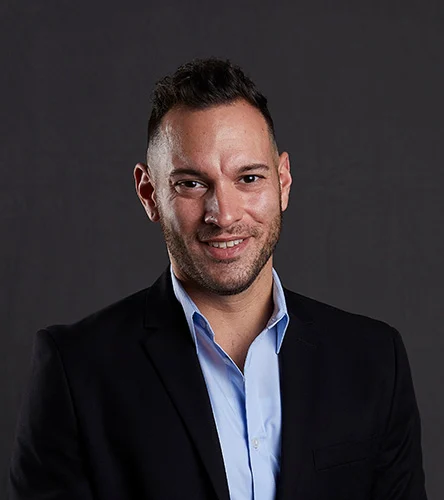
Harry Voulgarakis, PhD, St. Joseph's University, New York
Harry M. Voulgarakis, PhD, is a licensed psychologist and board-certified behavior analyst who serves as an Assistant Professor in the Department of Child Study at St. Joseph's University, New York. His work focuses on the assessment of autism and neurodevelopmental conditions across diverse, complex, and often under-recognized presentations.
Presenter

Celine Saulnier, PhD, Emory University School of Medicine
Celine Saulnier, PhD, obtained her doctorate in Clinical Psychology from the University of Connecticut. She trained and worked at the Yale Child Study Center’s Autism Program for nearly a decade before relocating to Emory University School of Medicine and the Marcus Autism Center in Atlanta, GA, where she directed a large-scale clinical research program. In 2018, she opened her own company, Neurodevelopmental Assessment & Consulting Services, where she specializes in diagnostic assessment, as well as teaching and training for autism spectrum and related disorders. Dr. Saulnier has published numerous articles, written two books, and she is an author on the Vineland Adaptive Behavior Scales, Third Edition.
A Clinical Look at Professional Wills: Compassionate, Ethical, and Practical Considerations
Workshop Description
Workshop #: 003
Education Level: Introductory
This introductory workshop addresses the clinical, business, and emotional considerations of abrupt practice suspension as it impacts patients, colleagues, and family. The presenter reviews components of a comprehensive professional will and provides an overview of the duties of the practice executor. Several accessible solutions are provided to help navigate this often-avoided yet essential task, ensuring ethical compliance, protecting patients from the risks of traumatic termination, and sparing colleagues and family from unnecessary burden. The presenter draws on first-hand experiences as a practice executor and discusses potential pitfalls and best practices.
Learning Objectives
- Explain the psychologist’s ethical duty to plan for sudden terminations.
- Describe the important components to include in an emergency plan/professional will.
- List the clinical, business, and practical duties of a practice executor and guidelines for best practice.
Presenter

Robyn Miller, PhD, TheraClosure, LLC
Robyn Miller, PhD, is a Maryland clinical psychologist and founder of TheraClosure, LLC, the first psychotherapist professional executor service. She writes and trains clinicians on professional wills and was featured in the New York Times in July 2025. She trained at Massachusetts Mental Health Center/Harvard Medical School and holds a PhD from the University of Rochester.
Efficacious Child Treatment for Practical Executive Function Deficits: Virtual and In-Person Delivery
Workshop Description
Workshop #: 004
Education Level: Intermediate
Many children have impairing deficits in executive functioning and practical deficits in organization, time management, and planning. This intermediate workshop provides an overview of methods to treat children with attention-deficit/hyperactivity disorder (ADHD) and related conditions using an empirically supported treatment. The presenter discusses methods for identifying appropriate children and highlights results from randomized clinical trials, including a study using completely virtual delivery. Behavioral and cognitive methods for engaging youth and their parents, methods for guiding parents’ behavior management, methods for building skills in youth, and approaches for collaborating with teachers are presented.
Learning Objectives
- Identify the main skills deficits that children with ADHD and related disorders demonstrate in organization, time management, and planning.
- Explain how to evaluate and select treatment candidates and implement treatment methods to improve practical problems in completing home and school tasks.
- Describe the treatment for in-person delivery, a combined in-person and telehealth delivery, and a fully telehealth delivery.
Presenter
Richard Gallagher, PhD, New York University Grossman School of Medicine
Emotion Regulation Training: An Evidence-Based Practice From a Neuropsychological and Experiential Perspective
Workshop Description
Workshop #: 005
Education Level: Intermediate
Emotion regulation is emerging as an integral component of psychological well-being. Often considered an aspect of executive functioning, effective emotion regulation is associated with improved emotional, cognitive, and functional outcomes. Understanding emotion regulation from a neuropsychological and an experiential perspective is essential for psychologists working in clinical settings. To provide a comprehensive view on emotion regulation, the presenters review theories of emotion and emotion regulation, introduce an evidence-based intervention, and present case studies and evidence from clinical trials with people with brain injury.
Learning Objectives
- Explain the role of emotion regulation in psychological and neuropsychological functioning.
- Provide empirical evidence to support the efficacy of an emotion regulation intervention.
- Describe the step-by-step process of delivering the intervention.
Presenter
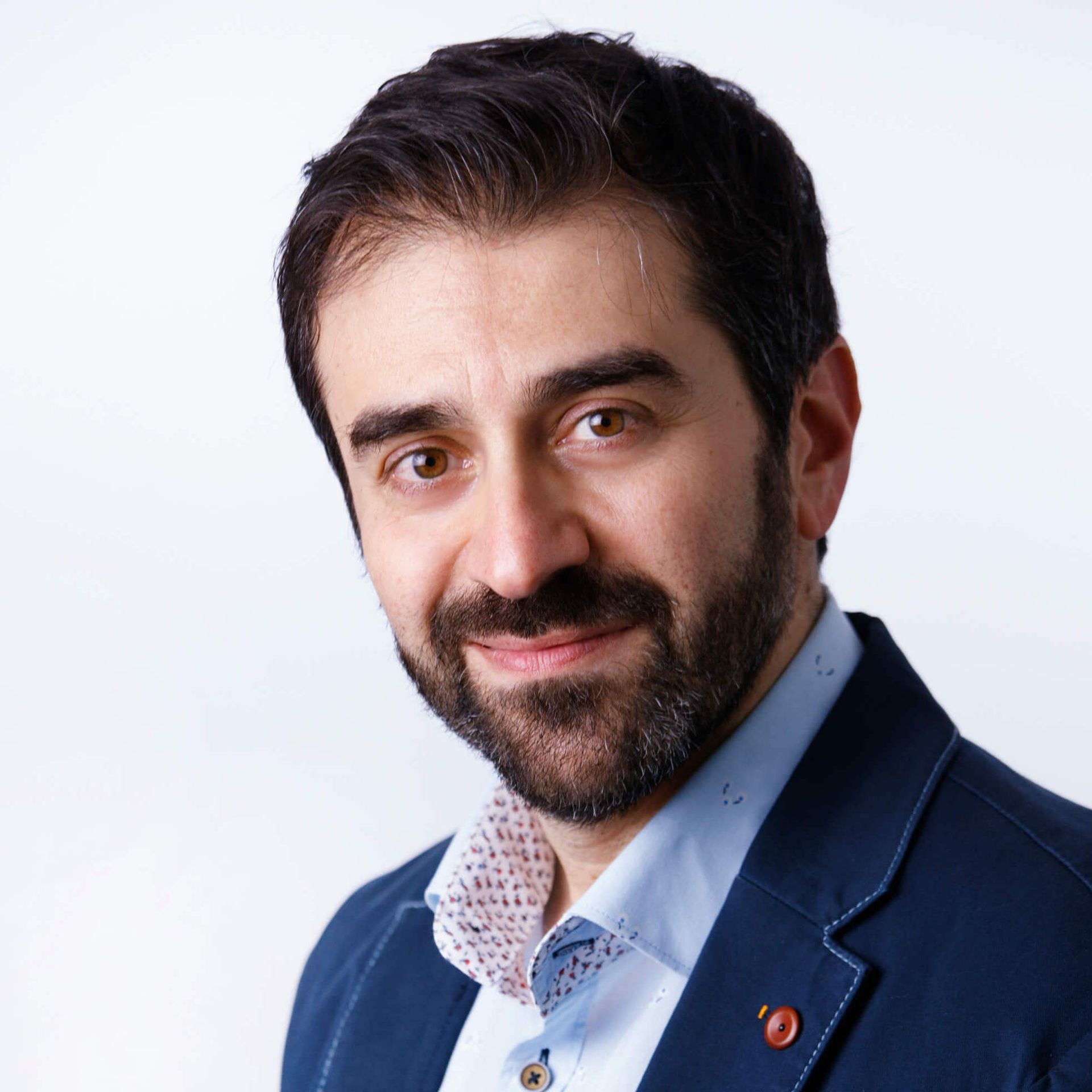
Theodore Tsaousides, PhD, ABPP, Icahn School of Medicine at Mount Sinai
Theo Tsaousides, PhD, ABPP, is a rehabilitation neuropsychologist and clinical assistant professor in the Department of Rehabilitation and Human Performance at the Icahn School of Medicine at Mount Sinai. His background is on cognitive and emotional functioning after brain injury. He is based in Fort Lauderdale, FL and offers clinical services to individuals and continuing education training to providers.
Presenter

Teresa Ashman, PhD, ABPP, NYU Langone Medical Center
Teresa Ashman, PhD, ABPP, is a rehabilitation neuropsychologist and an associate professor at NYU Langone Medical Center and at Hackensack Meridian School of Medicine. Her research focuses on psychosocial issues for people with brain injuries and other chronic health conditions, and has authored over fifty publications. She maintains a practice in Savannah, GA.
Ethical Considerations for Psychologists Working in Integrated Care Settings
Workshop Description
Workshop #: 006
Education Level: Intermediate
This intermediate workshop presents ethical considerations for psychologists working in integrated care settings. Supporting and conflicting laws, regulations, and professional standards are also discussed. The presenter examines the most common ethical issues facing professionals working on interprofessional teams and describes tools for ethical decision-making in the face of ethical conflicts that arise in integrated care settings. Case vignettes are used to provide participants with opportunities to practice identifying ethical issues and applying an ethical decision-making model to think through how best to resolve such issues.
Learning Objectives
- Describe similarities and differences between the APA ethics code and the ethics codes of other professional health organizations.
- List APA’s ethical principles and standards that are likely to create ethical dilemmas for psychologists in integrated care settings.
- Describe ways to avoid and respond to ethical conflicts when working in an integrated care setting.
Presenter
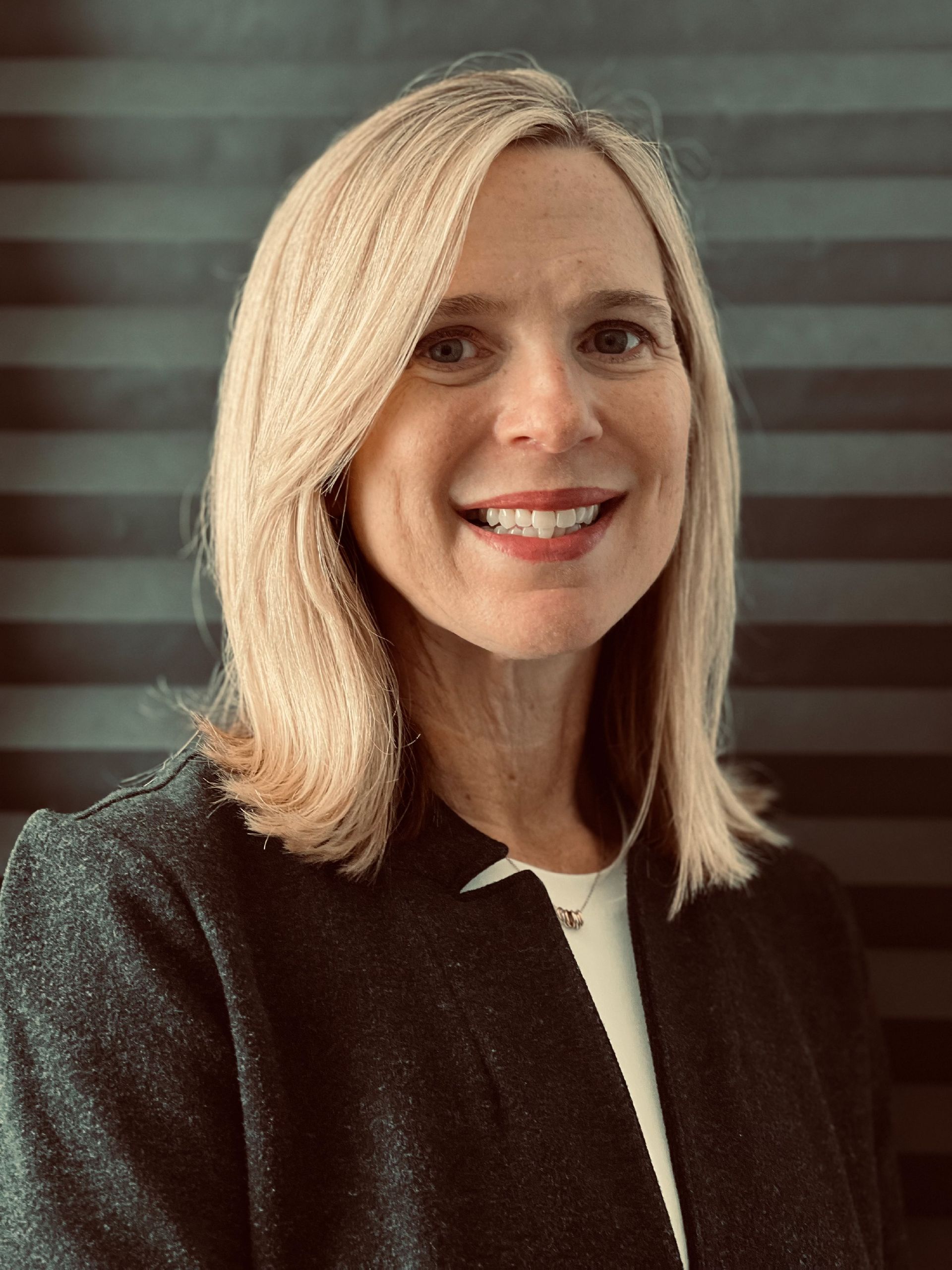
Tiffany Chenneville, PhD, University of South Florida
Tiffany Chenneville, PhD, Marie E. and E. Leslie Cole Endowed Chair in Ethics and Professor of Psychology and Pediatrics at the University of South Florida, specializes in sexual health among youth. Dr. Chenneville received the 2025 APA Lifetime Award for Accomplishments in Ethics Education, demonstrating accomplishments as an ethics scholar.
Respond With CARE™ (Child-Adult Relationship Enhancement) After Disasters: Promoting Resilience
Workshop Description
Workshop #: 007
Education Level: Introductory
Respond With CARE (Child-Adult Relationship Enhancement) is a trauma-informed, field-initiated modification of specific, evidence-based, positive parenting treatments for any adult who interacts with any child or adolescent to better relate and strengthen connections after disasters or violent events. Participants in this introductory workshop learn specific skills to enhance relationships with their clients/students, help them return to the learning environment more effectively, reduce mild-to-moderate child behavior challenges, and promote resilience in families after disasters or mass violence events. The workshop includes didactic information, videos, activities, and live practice with feedback for the greatest learning potential.
Learning Objectives
- Discuss how trauma impacts child development, behaviors, and relationships, particularly the impact on marginalized communities.
- Identify two reasons why use of CARE skills with children and teens may benefit relationships and behavior after disasters.
- Describe two strategies for helping adults provide instructions that are more likely to improve compliance.
Presenter

Jami Furr, PhD, Florida International University
Jami Furr, PhD, is a Clinical Associate Professor and Senior Psychologist in the Mental Health Interventions and Novel Therapeutics (MINT) Program at Florida International University Center for Children and Families. Dr. Furr is an expert in child anxiety and disaster mental health prevention and currently serves as a trainer for the NCTSN’s NEW DAY program.
Presenter

Robin Gurwitch, PhD, Private Practice
Robin Gurwitch, PhD, an Emeritus Professor at Duke University School of Medicine, is a recognized expert on addressing children’s needs and improving outcomes after disasters/mass violence. She is Co-PI of the NCTSN’s NEW DAY program, focused on such events. A co-developer of Child Adult Relationship Enhancement (CARE) and adaptations, she is an APA Fellow in several divisions.
Stress First Aid: Implementation of a Self-Care and Peer Support Framework in Health Care
Workshop Description
Workshop #: 008
Education Level: Intermediate
This introductory workshop addresses the critical issue of health care worker stress and burnout using Stress First Aid (SFA), a peer support and self-care organizational framework developed by the National Center for PTSD. The SFA model is based on five evidence-informed factors that help people recover from stress and adversity, with a focus on health care providers. The presenters describe SFA's theoretical foundations, flexible implementation strategies, including the SFA Connect digital application, and challenges and opportunities for integrating SFA in diverse settings. Participants learn about actionable skills to foster resilience and peer support initiatives they can implement in their own organizations.
Learning Objectives
- Identify three threats to health care worker well-being and how peer support models like SFA address these.
- Identify three foundational principles of SFA and two actions they can take to implement SFA in their settings.
- Articulate three challenges to system implementation of SFA and identify mitigation strategies to address them.
Presenter

Annmarie Wacha-Montes, PsyD, Northwell Health
Annmarie Wacha-Montes, PsyD, Clinical Director at Northwell Health’s Center for Traumatic Stress, Resilience and Recovery. She has co-developed and led prevention and clinical services, peer support initiatives, and critical incident responses within healthcare and academic institutions. She specializes in trauma and co-occurring issues, suicide prevention, and community psychology.
Presenter

Richard Westphal, PhD, University of Virginia
Richard Westphal, PhD, is a PhD-prepared researcher and dual board-certified advance practice mental health nurse and nurse practitioner. His clinical work and research focused on occupational stress injuries, mental health promotion and Stress First Aid. He is a Professor Emeritus at the University of Virginia School of Nursing.
Presenter
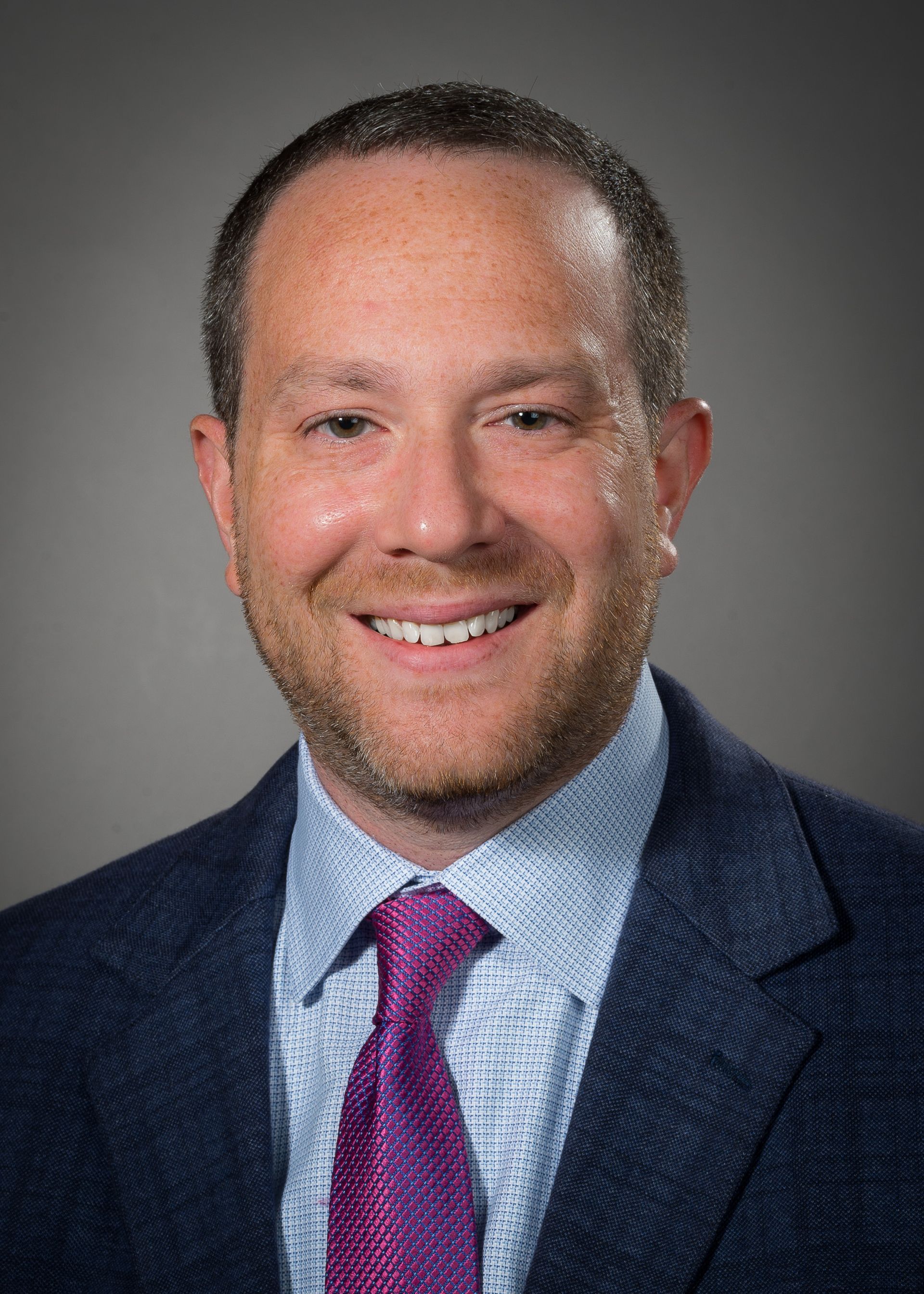
Mayer Bellehsen, PhD, Northwell Health
Mayer Bellehsen, PhD, Assistant Vice President at Northwell Health and Clinical Psychologist specializing in trauma. He co-developed and oversees the Center for Traumatic Stress, Resilience and Recovery (CTSRR), providing services for healthcare workers, community, and NYPD officers. He also directs the Unified Behavioral Health Center for Military Veterans and their Families.
Afternoon Workshops: Wednesday, 8/5 from 1:00 p.m. to 4:00 p.m. ET
Advancing Trauma Education and Clinical Training With The NCTSN Core Curriculum on Childhood Trauma
Workshop Description
Workshop #: 009
Education Level: Intermediate
Responding to long-standing gaps in trauma training in mental health education and practice, the National Child Traumatic Stress Network launched the Core Curriculum on Childhood Trauma (CCCT), a major initiative to raise the national standard of care for trauma-exposed children, families, and communities. CCCT is a robust yet flexible curriculum aligned closely with APA’s Guidelines on Trauma Competencies for Education and Training (2025). CCCT is being integrated across undergraduate, graduate, postdoctoral, and professional education and training. Using interactive demonstrations, this workshop covers CCCT’s history, development, and innovative training approach. Attendees learn of many pathways to bring CCCT to their site or community.
Learning Objectives
- Describe how CCCT is used in psychology education, clinical training, and professional development (e.g., graduate trauma training tracks).
- Explain how the 12 core concepts serve as conceptual lenses for analyzing, understanding, and “seeing” clinical implications of case material.
- Describe various pathways available to access CCCT training, beginning with resources through the National Child Traumatic Stress Network (NCTSN.org).
Presenter
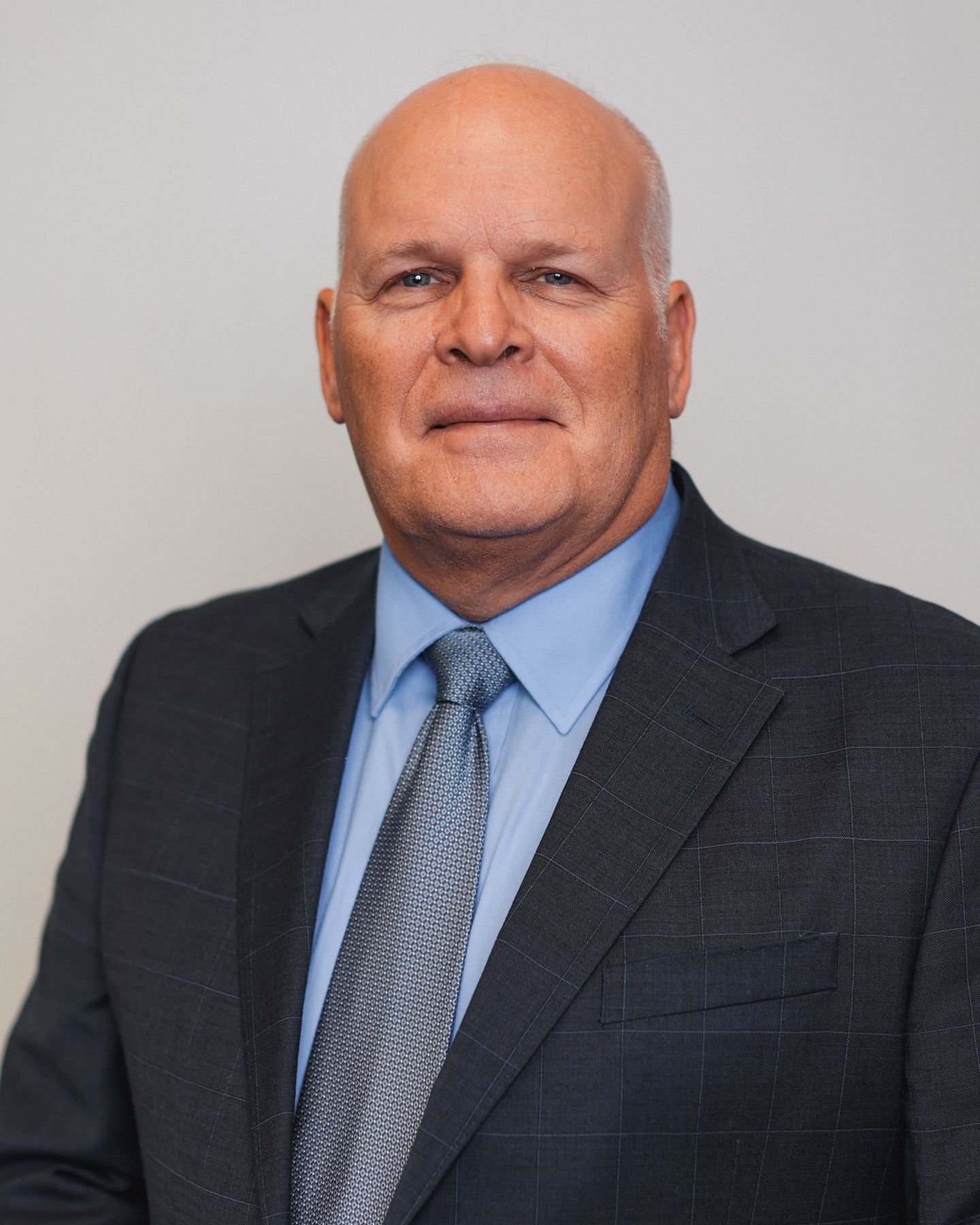
Christopher Layne, PhD, Nova Southeastern University
Christopher Layne, PhD, is Associate Professor of Psychology at Nova Southeastern University where he directs the Child and Adolescent Traumatic Stress Program and a licensed clinical psychologist. As Principal Investigator of the National Child Trauma Workforce Institute, he helps to nationally disseminate the Core Curriculum on Childhood Trauma to promote competency-based training in Trauma Psychology.
Presenter

Leslie Ross, PsyD, NCTWI
Leslie Ross, PsyD, implemented CCCT training in an APA psychology internship program at Cii and was part of the CCCT task force. Later she became the Director of CCCT implementation at UCLA-Duke University National Center for Child Traumatic Stress. Currently, she is CCCT Faculty for NCTWI.
Presenter

Allison Hrovat, MEd, National Child Trauma Workforce Institute
Allison Hrovat, MEd, has over 15 years of experience as a counselor, supervisor, educator, and project manager. She currently serves as Project Manager at the Lyda Hill Institute for Human Resilience / National Child Trauma Workforce Institute which disseminates the Core Curriculum on Childhood Trauma.
Beyond Therapist Self-Care: A Culturally Responsive Framework to Address Burnout and Vicarious Trauma
Workshop Description
Workshop #: 009
Education Level: Introductory
This introductory workshop introduces a holistic, empirically based framework for therapist flourishing, drawing from systemic and multicultural perspectives, existential positive psychology, and self-of-the-therapist perspectives. Key risk and protective factors are discussed—at individual, relational, and organizational levels—associated with burnout, vicarious traumatization, and well-being. Participants examine the limitations of current professional recommendations around self-care, which can compound isolation, overfunctioning, and “imposter” feelings. Considering their intersectional identities and context, participants are invited to reflect on systemic pressures that may undermine their well-being and to explore strengths and capacities to metabolize stress, navigate complex work dynamics, and promote thriving.
Learning Objectives
- Explain how professional recommendations focused only on self-care can compound clinicians’ sense of shame about struggles and fuel isolation.
- Describe at least three factors associated with burnout and/or vicarious trauma relevant to their own identities and workplace.
- Identify strengths salient within their cultural/spiritual context that can help them metabolize stress impacts, catalyze vitality, and increase resilience.
Presenter

Laura Captari, PhD, LP
Laura E. Captari, PhD, LP, is an academic researcher and staff psychologist at the Albert and Jessie Danielsen Institute at Boston University. She is an incoming assistant professor at Boston College in the Department of Counseling, Developmental, and Educational Psychology.
Presenter

Steven Sandage, PhD, LP, Boston University
Steven J. Sandage, PhD, LP, is the Albert and Jessie Danielsen Professor of Psychology of Religion and Theology with appointments in the School of Theology and the Department of Psychological and Brain Sciences at Boston University. He is also research director, staff psychologist, and training faculty at the Danielsen Institute.
CBT for Adult ADHD: An Implementation-Focused Approach
Workshop Description
Workshop #: 012
Education Level: Intermediate
Increasing numbers of adult patients are seeking therapy for attention-deficit/hyperactivity disorder (ADHD). The features of ADHD that create problems in their daily lives—procrastination, poor time management—also interfere with follow-through on the use of coping strategies. This intermediate workshop presents a cognitive behavioral therapy (CBT) approach with an implementation focus designed to help adults with ADHD better use effective coping strategies outside the therapy room. The proposed central targets of CBT are reviewed (cognitive, emotional, behavioral-implementation, social) and a video of a CBT session for adult ADHD is presented and discussed.
Learning Objectives
- Describe the central CBT intervention target in each treatment domain: cognitive, behavioral-implementation, emotional, and social-interpersonal.
- Summarize the premises about the nature of ADHD and psychosocial treatment that provide the basis for the CBT approach.
- Describe at least three new implementation-focused strategies to use in their clinical practices.
Presenter

Russell Ramsay, PhD, Independent Practice
Russell Ramsay, PhD, is a psychologist specializing in the assessment and psychosocial treatment of adult ADHD. He has lectured internationally and is widely published. He has written six books on adult ADHD, including his most recent, Once I Get Started. Dr. Ramsay is a CHADD Hall of Fame inductee.
Ethical Complexities in Psychological Care for Individuals With Variations in Sex Characteristics
Workshop Description
Workshop #: 013
Education Level: Introductory
This workshop on ethical approaches to care for individuals with variations in sex characteristics (VSC; also referred to as intersex variations or differences in sex development) is designed for psychologists at the beginner or intermediate level and is based on a task force report sponsored by APA on this topic. The presenters review common diagnoses associated with VSC as well as empirical and expert guidance regarding care for individuals across the lifespan with related diagnoses. Ethical complexities and controversies are also explored.
Learning Objectives
- Summarize at least five clinical concerns described in empirical literature related to clinical treatment of people with VSC diagnoses.
- Describe at least five different roles that psychologists commonly engage in while treating people with VSC.
- Discuss at least three common ethical concerns related to treatment of individuals with VSC diagnoses.
Presenter

Amy Tishelman PhD, Boston College
Amy Tishelman, PhD, is a clinical psychologist on the faculty at Boston College. She is the chair of APA’s VSC Taskforce, and the lead author of the Child chapter for the WPATH SOC8. She is the former Research Director/Senior Psychologist in the sex and gender diversities clinics at Boston Children’s Hospital/HMS.
Presenter
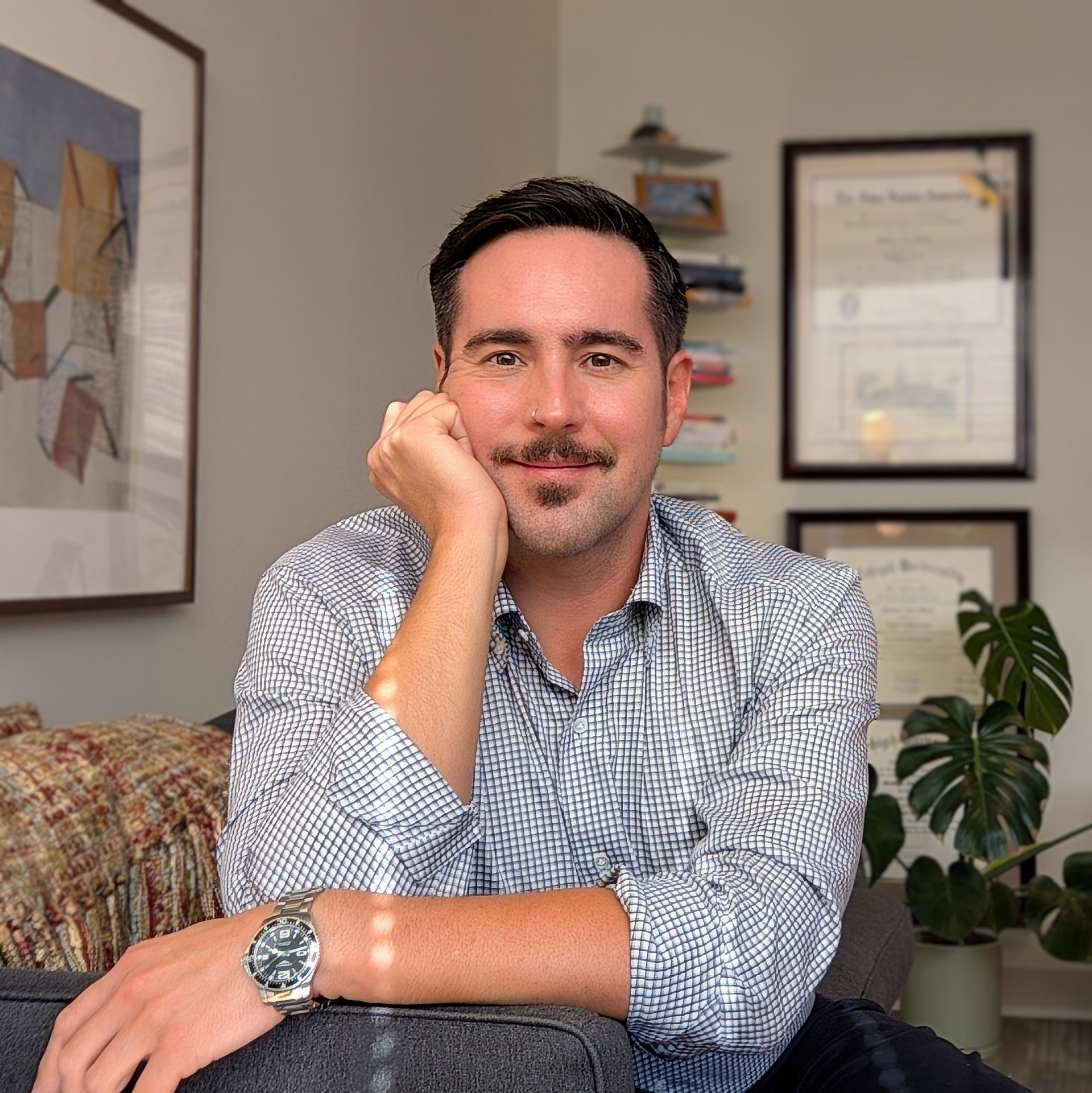
Matthew Malouf, PhD, Malouf Counseling and Consulting
Matthew Malouf, PhD, is a counseling psychologist operating a Baltimore-based group practice specializing in sexuality and gender. Previously, he served on an interdisciplinary variations of sex characteristics team and as training manager for an LGBTQI-focused FQHC. His professional service includes APA's VSC Taskforce, WPATH's Revision Committee and SAMHSA's LGBTQI2-S Youth Workgroup.
Ethics, Test Standards, and Evidence-Based Test Interpretation: Measurement Matters
Workshop Description
Workshop #: 014
Education Level: Intermediate
This intermediate workshop explores the application of professional ethics and test standards impacting test interpretation. The presenter provides an overview of measurement principles (reliability, validity, utility, norms) and their application to tests and assessment methods used in psychological assessment. Ethical standards and scientific principles foundational to test interpretation are discussed, as well as specific research methods for evidence-based interpretation practices. Participants improve their ability to critically evaluate test uses and interpretations suggested in test manuals, interpretation guides, the Mental Measurements Yearbook, and the extant literature. Application of this content helps attendees provide more ethical and evidence-based assessment practices.
Learning Objectives
- Articulate how ethics and test standards apply to test selection, administration, and interpretation.
- Describe why measurement principles are important to consider in the selection, administration, and interpretation of psychological tests.
- Apply the four broad measurement principles (reliability, validity, utility, norms) providing the foundation for test score/discrepancy interpretation.
Presenter
Gary Canivez, PhD, Eastern Illinois University
Gary L. Canivez, PhD is Professor of Psychology at Eastern Illinois University and the author and editor of Assessing Psychometric Fitness of Intelligence Tests. He is a Fellow of APA Divisions 5 and 16, has published over 100 peer-reviewed articles, and presented over 90 invited CE workshops, trainings, and presentations.
Transference-Focused Psychotherapy for Personality Disorders: An Evidence-Based Approach
Workshop Description
Workshop #: 015
Education Level: Intermediate
Personality disorders (PD) are prevalent and often debilitating disorders characterized by chronic emotionality, interpersonal problems, and multiple comorbidities and suicidality. Borderline PD therapy is often marked by poor treatment adherence, chaotic service use, high dropout rates, and clinician burnout. Several treatments have now shown efficacy for BPD, one of which is transference-focused psychotherapy (TFP). Like other empirically supported treatments, TFP has been shown to reduce symptomatology, but it also has unique effects for remediating problems in personality functioning and identity and addresses PD comorbidities. Additionally, recent research supports hypotheses about TFP theory and mechanisms of change.
Learning Objectives
- List the elements of assessment for personality structure in the RADIOS mnemonic.
- Use the TFP model to identify steps in developing a realistic, collaborative treatment frame for patients with personality disorders.
- Describe how a therapist’s countertransference reactions to a patient can be used to increase understanding of the patient.
Presenter

Monica Carsky, PhD, Weill-Cornell Medical College
Monica Carsky, PhD, is on the faculty of the Weill-Cornell Medical College Personality Disorders Institute. She focusses on the understanding and treatment of personality disorders and the use of Transference Focused Psychotherapy (TFP). In addition to her publications, she teaches nationally and internationally and offers individual and group case consultations.
Presenter

Kenneth Levy, PhD, Penn State University
Kenneth N. Levy, PhD, is a professor of psychology at Penn State University whose work integrates psychodynamic and empirical approaches to personality disorders. His research focuses on borderline and narcissistic pathology, mechanisms of change, and transference-focused psychotherapy, alongside mentorship, interdisciplinary collaboration, and advancing relevant, data-driven models of psychopathology and treatment.
TrIGR: A Transdiagnostic Therapy for Guilt and Shame From Trauma and Moral Injury
Workshop Description
Workshop #: 016
Education Level: Introductory
This introductory skill-building workshop includes a presentation of the rationale and empirical support for trauma-informed guilt reduction therapy. TrIGR is a brief transdiagnostic therapy that provides psychoeducation and strategies to help clients transform nonadaptive guilt and shame into more adaptive thoughts and feelings about the trauma and adversity they experienced. The presenter describes the intervention and uses case examples to illustrate some of the strategies. Active participation is encouraged through Q&A sessions and role playing using real case scenarios.
Learning Objectives
- Explain the underlying rationale, including the role of trauma-related guilt and shame, in the development of and recovery from posttraumatic distress.
- Explain the rationale and implementation of three clinical strategies to support healthy grieving by culturally diverse adults across the lifespan.
- Describe one or more TrIGR strategies for guilt appraisal.
Presenter
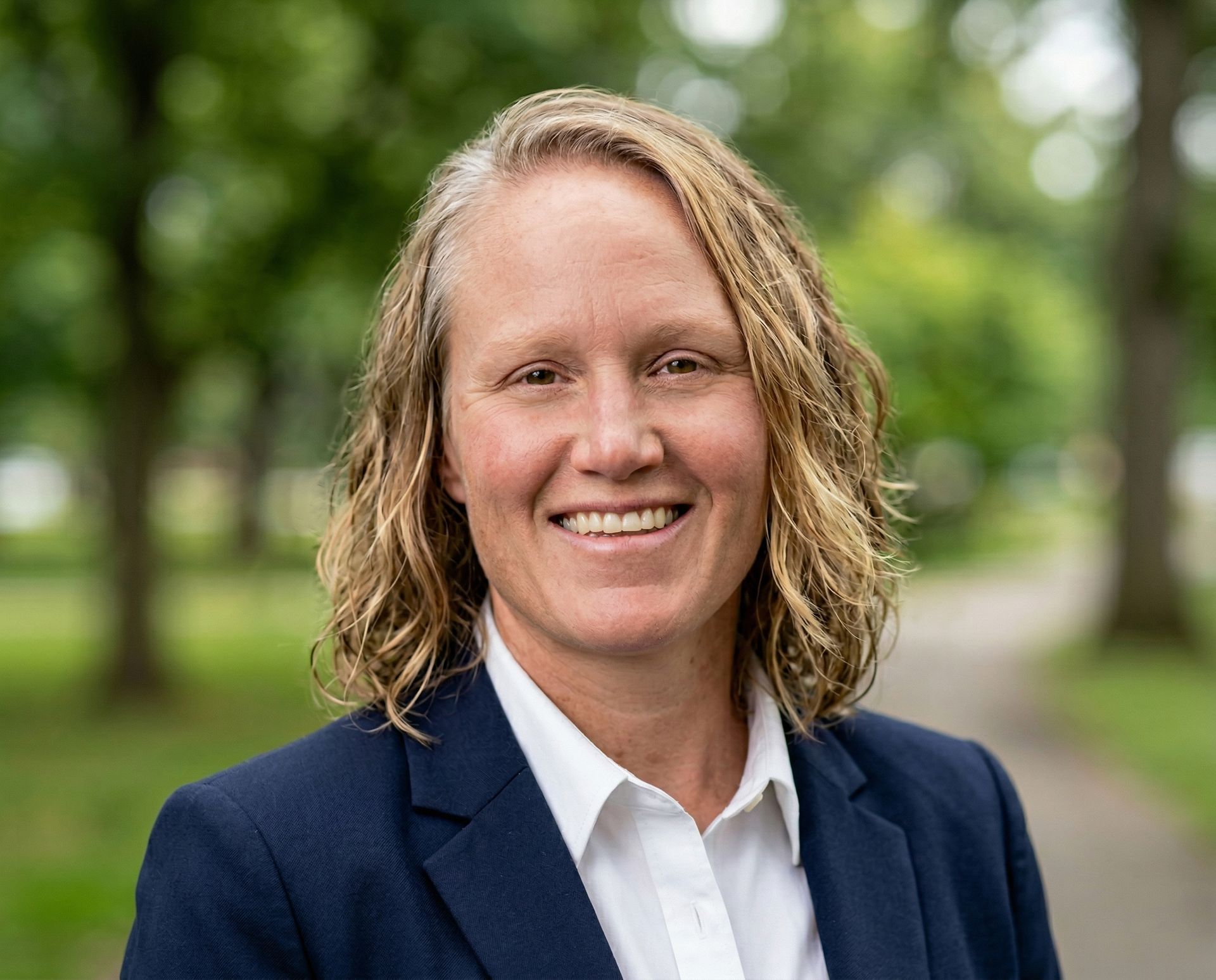
Jaimie Lusk, PsyD, ABPP
Jaimie Lusk, PsyD, ABPP, is a clinical psychologist with 15 years of VA experience, specializing in trauma, loss, and moral injury. A national consultant in Cognitive Processing Therapy, she has researched moral injury interventions with veterans and healthcare workers. Dr. Lusk is passionate about advancing trauma-informed care, particularly through Trauma-Informed Guilt Reduction (TrIGR) for individuals struggling with non-adaptive guilt.
Presenter
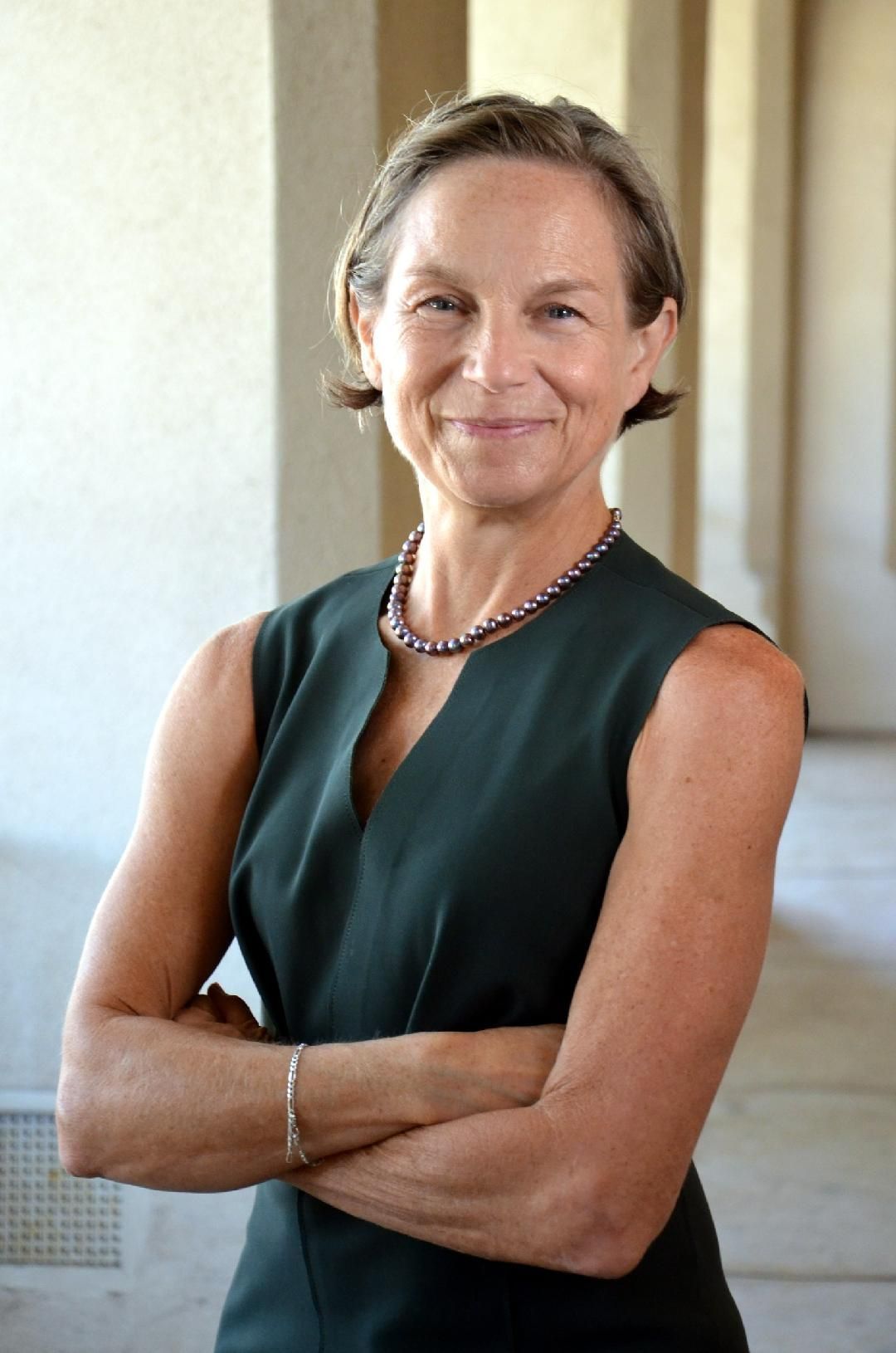
Carolyn Allard PhD, ABPP*
Carolyn B. Allard, PhD, ABPP, is Distinguished Professor and Director of the Clinical Psychology PhD Program, Alliant University, and APA Council Representative. For over 20 years she has conducted evidence-based trauma-focused therapy, training, and research. She co-developed Trauma Informed Guilt Reduction (TrIGR), and wrote its self-help version, Transform Your Guilt and Shame, as part of her commitment to increasing public access to psychological science. CarolynAllardPhD.com.
*Dr. Allard will not be present at this workshop due to a scheduling conflict with the APA Council of Representatives. She is heavily involved in the planning and development of the workshop content and will be available for participant follow-up questions.
Workshop Fees
Category
Early Bird
Apr 22–May 20
Advance
May 21–Jun 24
Regular
Jun 25–Aug 8
APA Member
$160
$190
$215
Nonmember
$190
$230
$265
NOTE: Preconvention CE Workshop fees are separate from the APA 2026 registration fee. APA 2026 registration is required to enroll in a Preconvention CE Workshop. Preconvention CE Workshops are designed for licensed psychologists. Students may enroll, but the same pricing and refund policy apply. There is no discounted price for students.
Cancellation and Refund Policy
APA will offer a 50% refund on your Preconvention CE Workshop registration if your cancellation request is received by June 24, 2026. You may cancel your Preconvention CE Workshop registration without canceling your APA 2026 convention registration. To request a refund, please fill out this form.
The APA CEP Office reserves the right to cancel a workshop due to insufficient enrollment. If the CEP Office cancels a workshop, enrollees will be notified immediately and will receive a full refund.
Contact us
For additional information regarding continuing education at APA 2026, contact:
cpe@apa.org
Continuing Education Approval Statement
All Continuing Education (CE) Workshops are sponsored by the APA Continuing Education Committee (CEC). They have been reviewed and approved by the APA CEC to offer CE credits for psychologists. The APA CEC maintains responsibility for the content of the programs.
The American Psychological Association is recognized by the New York State Education Department’s (NYSED) State Board for Psychology as an approved provider of continuing education for licensed psychologists #PSY-0100.

© 2026 American Psychological Association
750 First St. NE, Washington, DC 20002
(202) 336-6020
Stay up to date on all things APA 2026 with email updates.