
THE MAIN Stage
Ballroom AB | In-Person and Virtual
lead through
impact
The Main Stage is APA 2026's largest venue, home to Headline Events, ethics sessions, and other select programming on timely issues impacting psychology. Hear from groundbreaking researchers, innovative practitioners, and bold thought leaders tackling the challenges shaping our world — and developing the solutions that move us forward.
JUMP TO:
THURSDAY
FRIDAY
SATURDAY
Time
Programming
8:30-9:30 a.m.
Presidential Opening Session
11:30-12:30 p.m.
Headline Event: Childhood Reconsidered—What Growing Up Digital Actually Does to Development
1:00-2:00 p.m.
Division Session
4:00-5:00 p.m.
Ethics Session
Time
Programming
8:30-9:30 a.m.
Ethics Session
11:30 a.m.-12:30 p.m.
Headline Event: Adulthood Unmoored—Psychology for the Overwhelmed
1:00-2:00 p.m.
CEO Session
4:00 p.m.-5:00 p.m.
Division Session
Time
Programming
8:30-9:30 a.m.
Ethics Session
10:30-11:30 a.m.
Division Session
12:00-1:00 p.m.
Division Session
3:00-4:00 p.m.
Headline Event: The Aging Paradox—Loss, Growth, and Psychology's Essential Role
Thursday, August 6
Presidential Opening Session
8:30–9:30 a.m. ET
APA 2026 opens with a vision for psychology's role in leading through today's most pressing challenges—and a celebration of the profession that makes it possible.
Speakers Include:
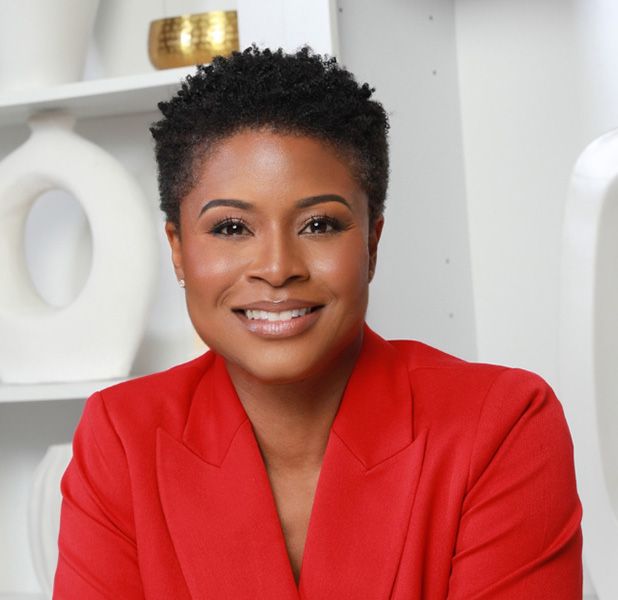
Wendi S. Williams, PhD
2026 President, American Psychological Association
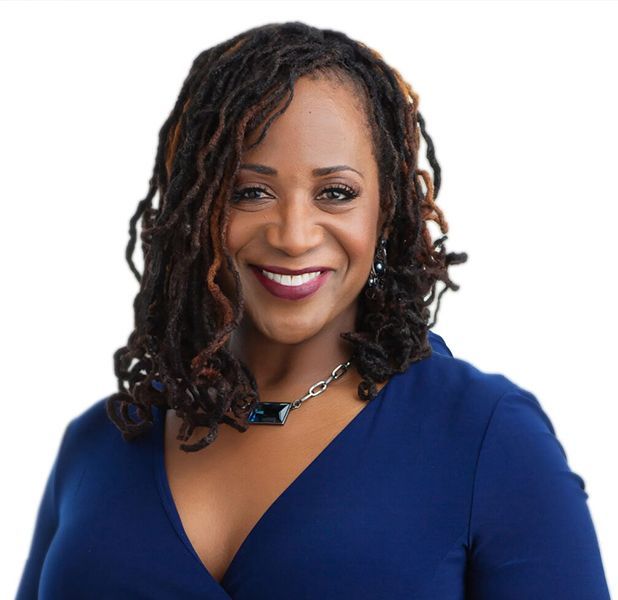
Joy D. Calloway, MBA, MHSA
Black Women’s Health Imperative

Tiffany D. Cross
Journalist and Author
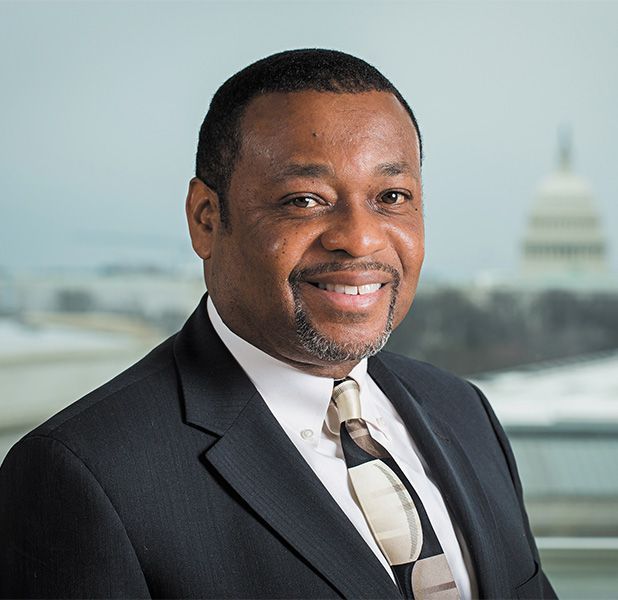
Arthur C. Evans, Jr., PhD
CEO, American Psychological Association

Hope Khodaei
Member of the Piscataway Conoy Tribe of Maryland
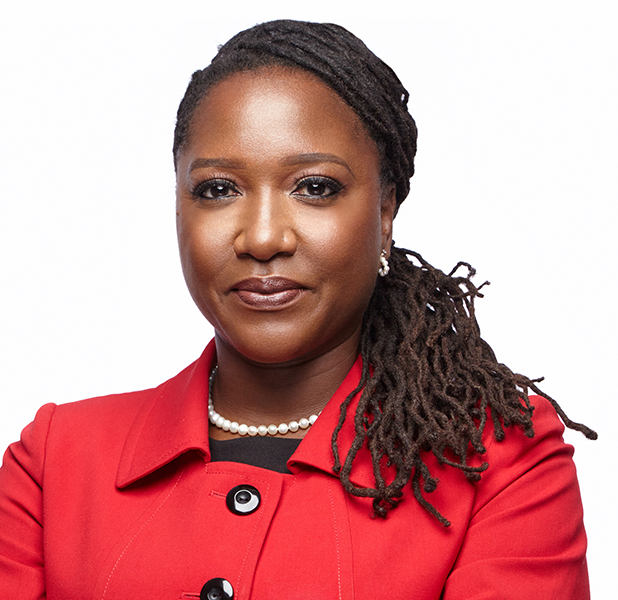
Janai Nelson, JD
President and Director-Counsel, Legal Defense Fund
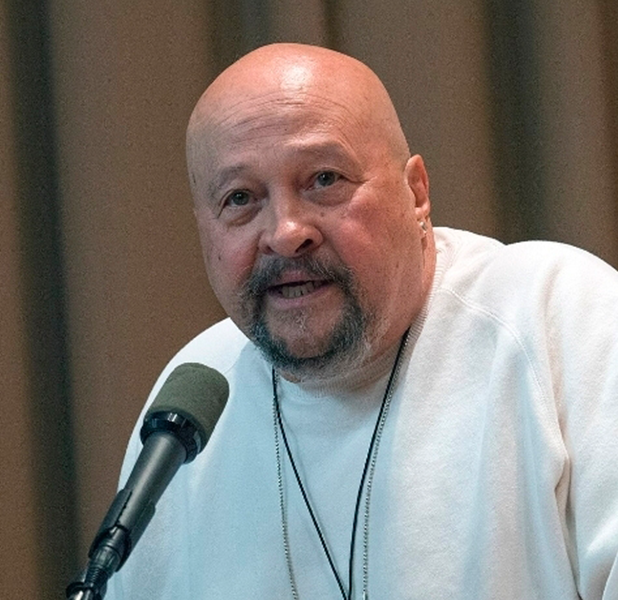
Rico Newman
Elder, Choptico Band of Piscataway-Conoy
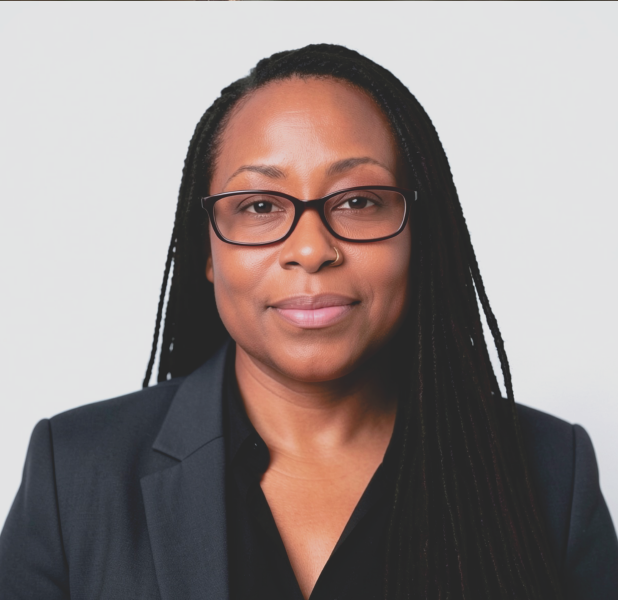
Vernita Perkins, PhD
Principal Consultant & Organizational Coach, Transformgi LLC
Headline Event
Childhood Reconsidered: What Growing Up Digital Actually Does to Development
11:30 a.m.–12:30 p.m. ET
1.0 CE Credit
Becoming yourself has always been psychology's territory—we understand identity formation, the developmental tasks of adolescence, and how young people try on selves and consolidate who they are. But the entire infrastructure of that process has shifted. Previous generations experimented privately, failed quietly, and had do-overs. This generation performs every version of self publicly, permanently, algorithmically amplified, and sometimes to AI audiences. Psychology is leading through this unprecedented shift—not judging or panicking but working in real time alongside families to understand what's actually happening and what we can do about it.
Learn more about Headline Events.
Speakers Include:
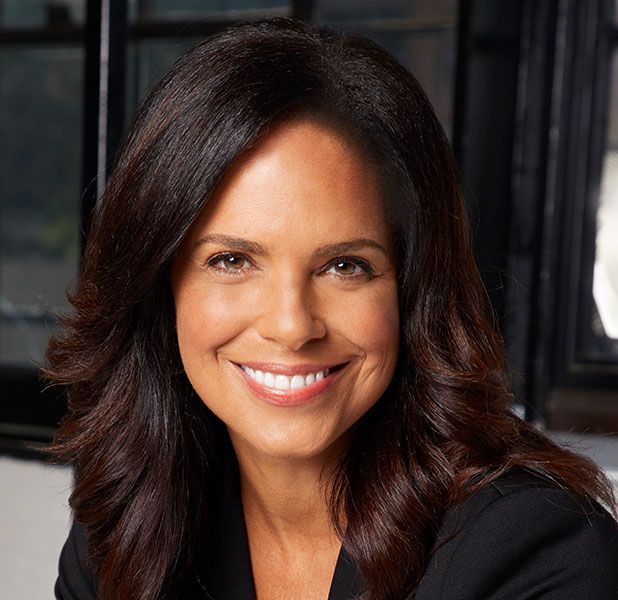
Soledad O'Brien
Moderator
Award-Winning Journalist and Documentarian, Entrepreneur and Host of Matter of Fact
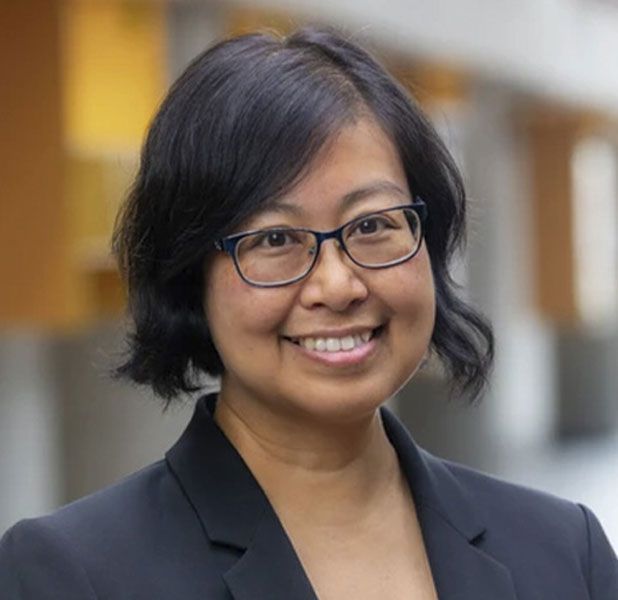
Linda Charmaraman, PhD
Senior Research Scientist, Wellesley Centers for Women
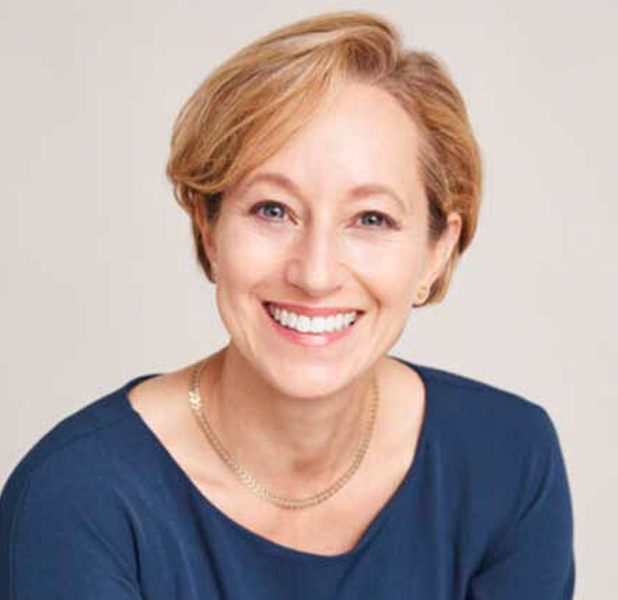
Lisa Damour, PhD
Clinical Psychologist and
New York Times
Bestselling Author, Untangled Media Group

Nikki Iyer
Co-Chair, Design It For Us
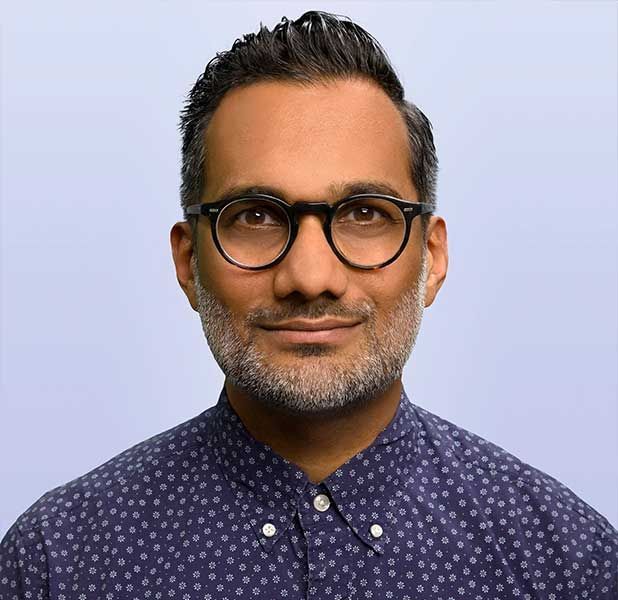
Ali
Mattu, PhD
Clinical Psychologist and Youtuber
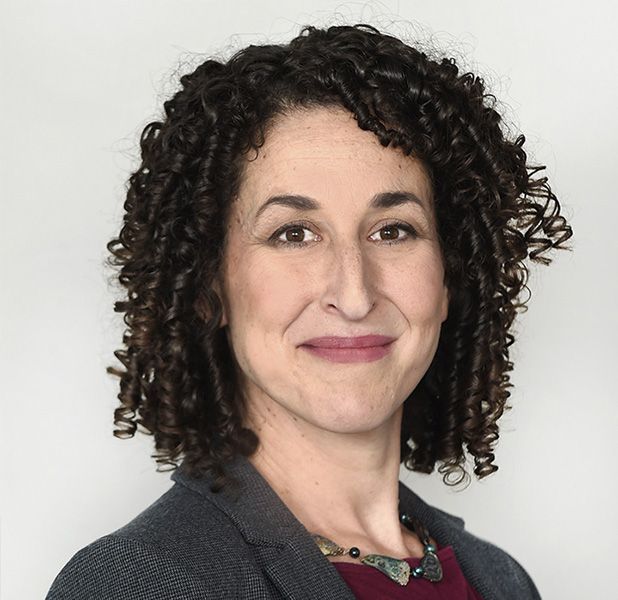
Eva
Telzer, PhD
Professor of Psychology and Neuroscience, University of North Carolina at
Chapel Hill
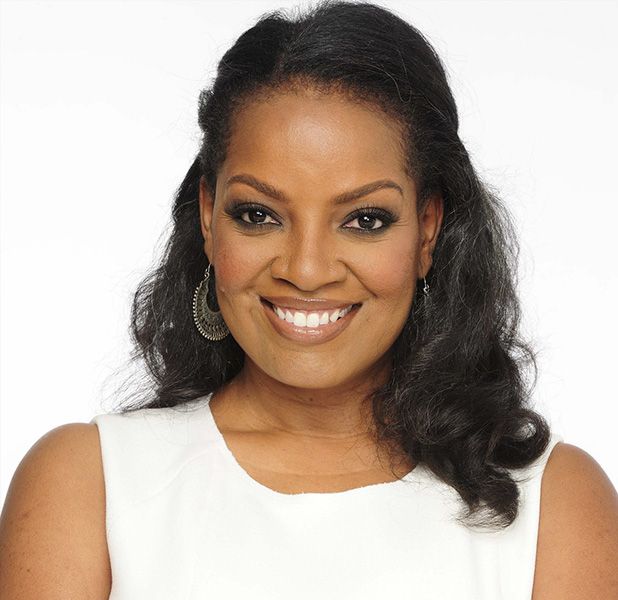
Brendesha
Tynes, PhD
Professor of Education and Psychology, University of Southern California
1–2 p.m. ET
1.0 CE Credit
This critical conversation examines how AI is being applied in therapy, social relationships, and work through three different disciplinary lenses (clinical, social/developmental, and industrial/organizational psychology). Speakers will consider how insights from diverse fields can inform our understanding of the implications of AI use across psychological disciplines.
Speakers Include:
- Linda Lin, PhD, Professor of Psychology, Emmanuel College
- Clare M. Mehta, PhD, Professor of Psychology, Emmanuel College;Royal Holloway University of London
- Mara L. Bolis, MBA, Harvard University
The Ethics Committee Presents
Unintended Ethical Consequences of AI Adoption
4–5 p.m. ET
1.0 CE Credit
Led by members of the APA Ethics Committee, this session examines ethical considerations when AI systems are implemented in educational and organizational settings, focusing on informed consent challenges, data privacy protection, and the need to safeguard vulnerable populations during institutional AI adoption.
Speakers Include:
- Nancy A. Haug, PhD, Palo Alto University
- Cindy Juntunen, California State University, Monterey Bay
- Chanda S. Sanders, PhD, Federal Aviation Administration
- Lindsay Childress-Beatty, JD, PhD, Chief of Ethics, APA
Learn more about
Ethics Committee Presents sessions.
Friday, August 7
THE ETHICS COMMITTEE PRESENTS
Sustaining Ethical, Respectful Conversations
8:30–9:30 a.m. ET
1.0 CE Credit
The program will demonstrate how psychologists can use the underlying values expressed in the APA Ethical Principles of Psychologists and Code of Conduct to facilitate respectful and productive conversations that build bridges within our families, organizations, and communities. This session will include issues relevant to all psychologists.
Speakers Include:
- Cynthia Kubu, MetroHealth System
- Cheryl Maykel, Rivier University
- Breeda McGrath, PhD, Pacific Oaks College
- Chanda S. Sanders, PhD, Federal Aviation Administration
Learn more about Ethics Committee Presents sessions.
Headline Event
Adulthood Unmoored: Psychology for the Overwhelmed
10–11 a.m. ET
1.0 CE Credit
Adulthood is genuinely, structurally hard right now. The relentless cognitive load of caregiving, work that never stops transforming, financial pressure, and relationships strained by impossible logistics—this isn't a personal failing; it’s the predictable result of how we've organized modern life. And these pressures aren't evenly distributed: race, class, caregiving burden, and access to resources all determine who bears the heaviest load. In this session, psychologists offer a genuine understanding of what chronic overwhelm does to people and practical frameworks for navigating impossible conditions without losing yourself in the process.
Learn more about Headline Events.
Speakers Include:

Angela Haupt
Moderator
Editor, Health & Wellness, TIME
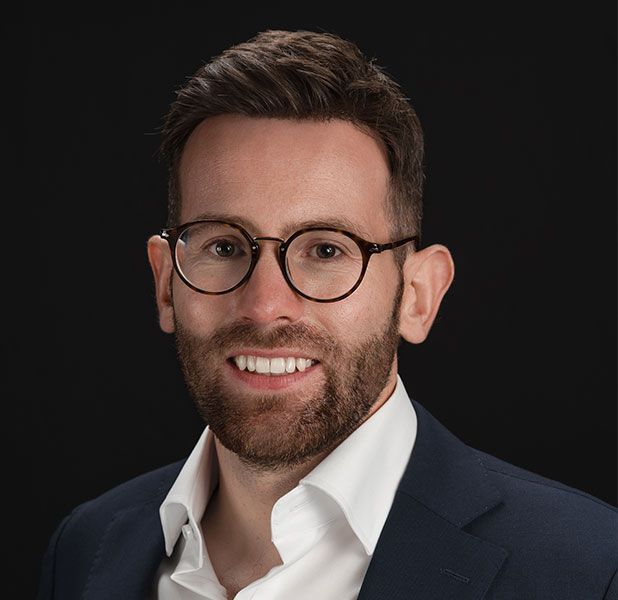
Thomas Curran, PhD
Associate Professor of Psychology, London School of Economics and Political Science
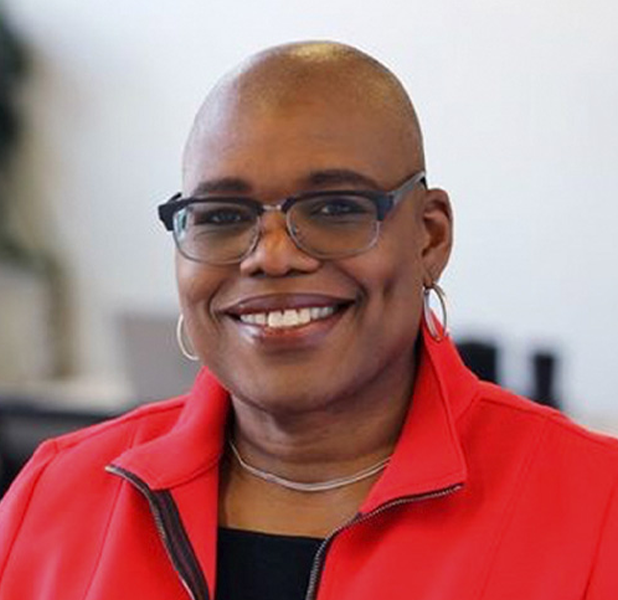
Jacqueline Mattis, PhD
Dean, School of Arts & Sciences, Rutgers University–Newark
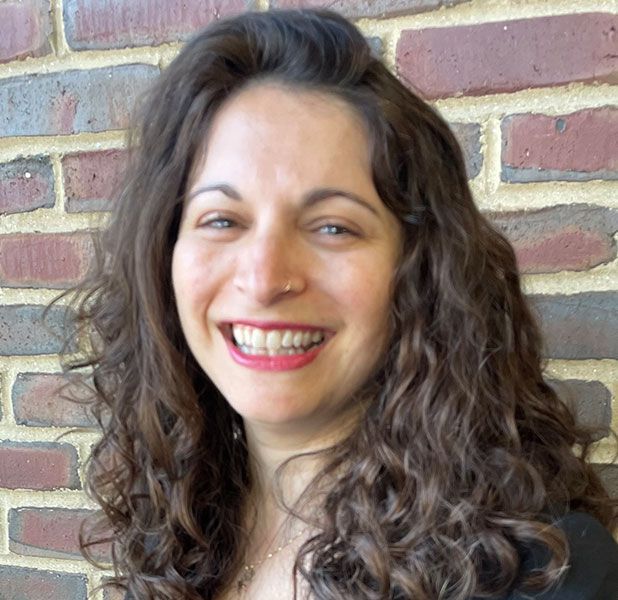
Clare Mehta, PhD
Professor of Psychology, Emmanuel College, Boston; Academic Visitor, Royal Holloway University of London
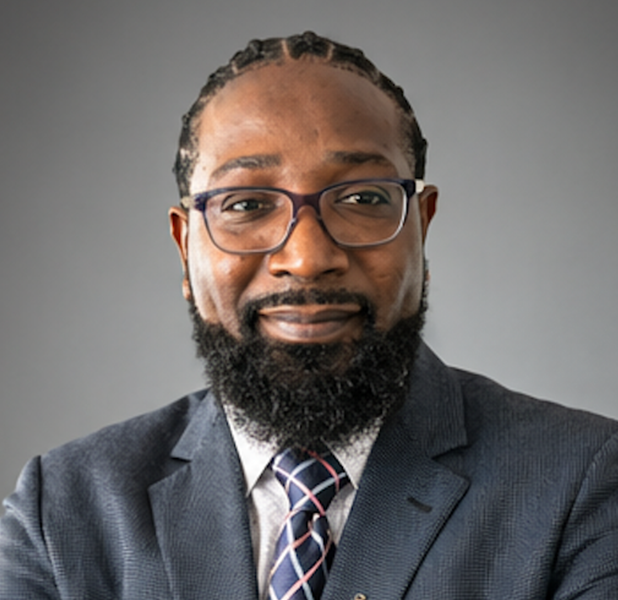
Alvin Thomas, PhD
Associate Professor of Human Development and Family Studies, University of Wisconsin–Madison
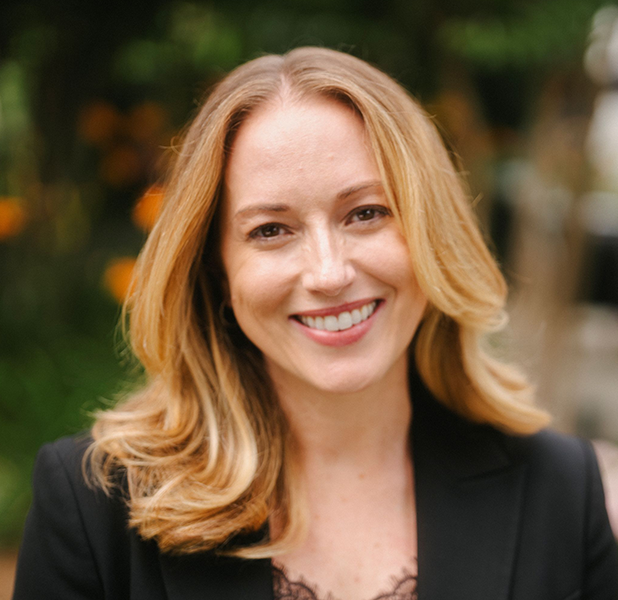
Tessa West, PhD
Professor of Psychology, New York University
CEO SPOTLIGHT SESSION
The Human Side of AI
1-2 p.m. ET
1.0 CE Credit
The science of human behavior has much to say about AI — but what do the people building AI have to say about psychology? In this CEO Spotlight session, APA CEO Arthur C. Evans Jr., PhD, turns the conversation around, bringing together senior leaders from Anthropic, Google, Microsoft, and OpenAI for a candid fireside chat that puts psychology's most pressing questions directly to the executives shaping today's AI landscape. Beyond exploring what psychological science can offer the AI era, this session asks industry leaders to consider what it truly means to build technology that benefits society - and why that responsibility matters now. It's a rare, unscripted exchange between two increasingly intertwined fields and an opportunity to hear how the people at AI’s frontier think about trust, safety, and the science of people.
Speakers Include:
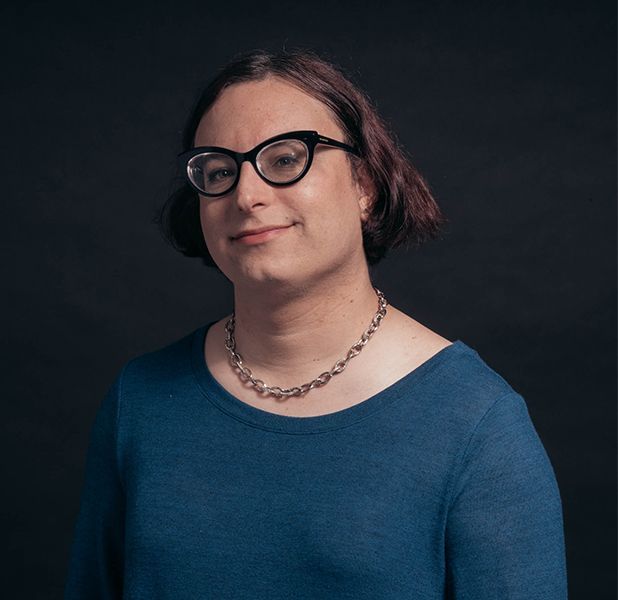
Ina Fried
Moderator
Chief Technology Correspondent, Axios
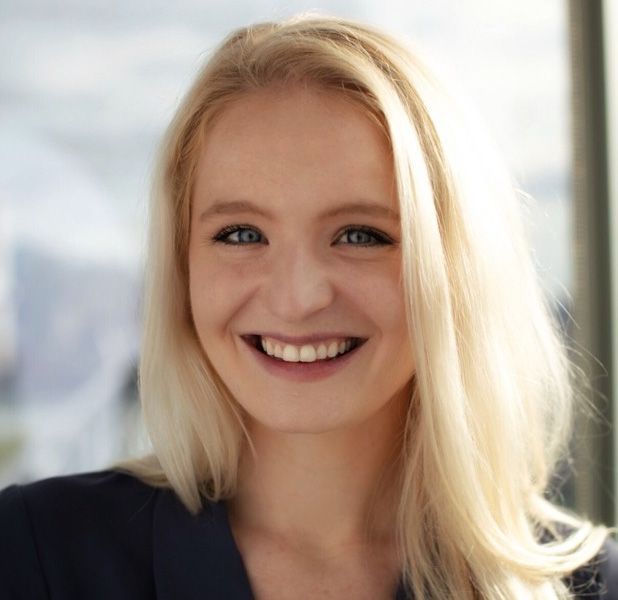
Muriel Clauson Closs, PhD
Executive Director, APA Center for Behavioral Science & AI
Arthur C. Evans, Jr., PhD
CEO, American Psychological Association
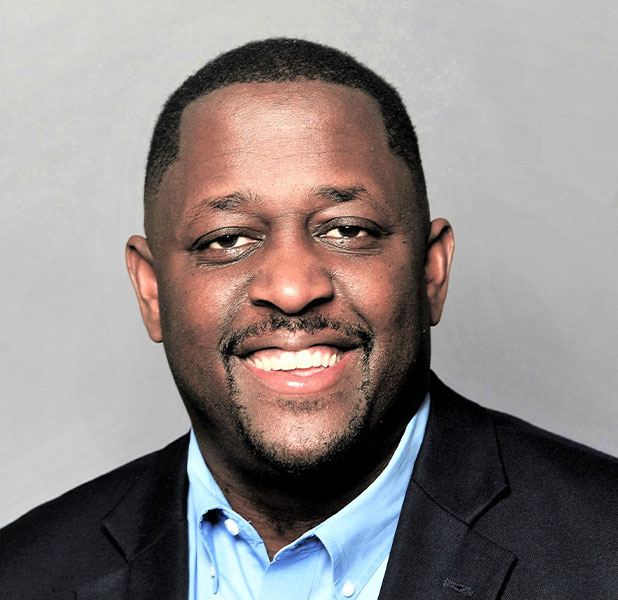
Garth Graham, MD, MPH
Head of YouTube Health
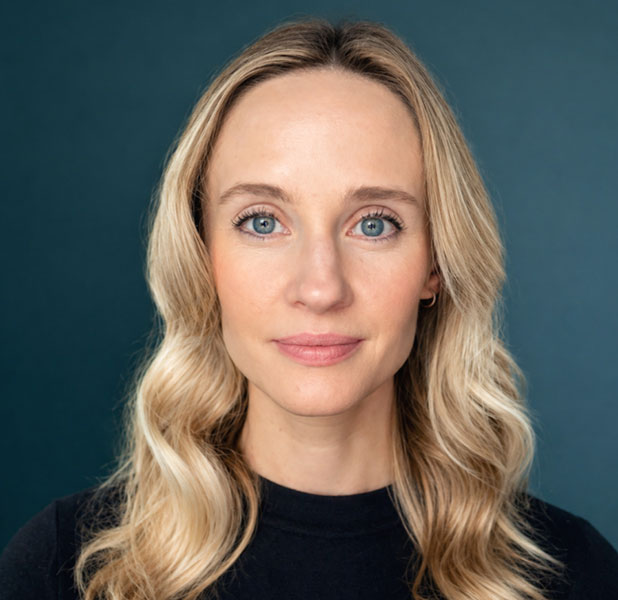
Sara Johansen, MD
Head of Mental Health and Well-Being Product Policy, OpenAI
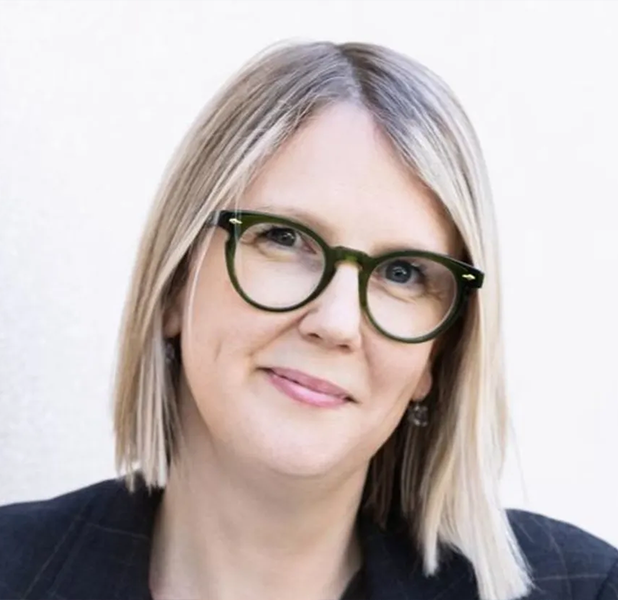
Jenny Lay-Flurrie, MBA
Vice President and Head of Microsoft’s Trusted Technology Group
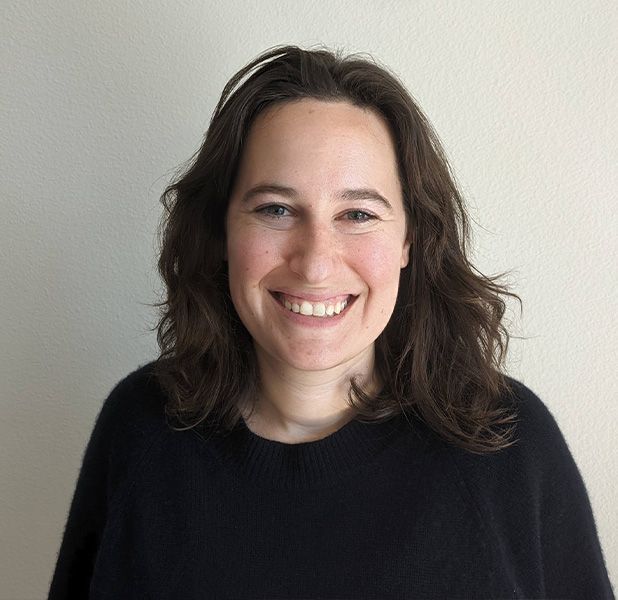
Ryn Linthicum, MS
Head of User Wellbeing Policy, Anthropic
DIVISION SESSION
Psychedelics in Practice: Lessons from APA CODAPAR Initiative
4–5 p.m. ET
1.0 CE Credit
This critical conversation uses findings from an APA CODAPAR–funded interdivisional project on psychedelic-assisted therapies to explore how psychologists can responsibly engage with rapidly evolving psychedelic science. Brief presentations on research, clinical applications, and training needs will launch an interactive dialogue on ethics, equity, and practice guidance for frontline clinicians.
Speakers Include:
- Cameron Alldredge, PhD, Baylor University
- Joseph R. McCowan, PsyD, Fluence
- J Kim Penberthy, PhD, University of Virginia School of Medicine
- Jessica Punzo, PsyD, Past President - APA Division 56, APA Division 56 - Trauma Psychology
- Mia Sarno, PsyD, Kadima Neuropsychiatry Institute
saturday, August 8
THE ETHICS COMMITTEE PRESENTS
Bridging Ethics and Advocacy
8:30–9:30 a.m. ET
1.0 CE Credit
This session clarifies the distinction between mandatory ethical standards and value-based advocacy and moves beyond it by introducing the concept of “ethical praxis” as a model for integration in real-world practice.
Speakers Include:
- Latoya C. Conner, PhD, American Psychological Association
- Lindsay Childress-Beatty, JD, PhD, Chief of Ethics, APA
- Nancy A. Haug, PhD, Palo Alto University
- Cynthia Kubu, MetroHealth System
- Katherine B. McGuire, MS, Chief Advocacy Officer, APA
Learn more about Ethics Committee Presents sessions.
10:30–11:30 a.m. ET
1.0 CE Credit
This session addresses the psychological and emotional challenges associated with living with diabetes and examines how these concerns present within this population. This session is designed to enhance psychologists’ competence in diabetes-informed care by identifying often-overlooked stressors and presenting evidence-based strategies for integrating these considerations into clinical practice.
Speakers Include:
- Michael Donnelly-Boylen
- Robyn Pashby, Health Psychology Partners
12–1 p.m. ET
1.0 CE Credit
Grief frequently appears in counseling psychology practice and can leave clinicians unsure how to respond. This skill-building session introduces STAY, a practical framework for assessing grief, navigating ethical and cultural complexity, and selecting evidence-informed interventions. Participants will gain immediately applicable tools for clinical decision-making when grief emerges in therapy sessions.
Speaker:
- Heather L. Taylor, PsyD, Grief is the New Normal Psychological Services
1:30–2:30 p.m. ET
1.0 CE Credit
People often assume aging brings compounding challenges — cognitive changes, physical decline, social isolation, loss of purpose, and anxiety about the end of life. Yet here's the paradox: research consistently shows that adults aged 65 and older report greater emotional well-being, clearer priorities, and deeper satisfaction than younger people. The brain doesn't only decline; it reorganizes. People don't lose all abilities; they refine. This session confronts the complexities and diversity of aging, exploring what it means to "age well," the barriers that make the aging experience more difficult for some, and what psychology knows about helping people navigate these decades of life while promoting dignity and well-being.
Speakers Include:

Judith Graham
Moderator
Journalist, Author of Navigating Aging Column for KFF Health News
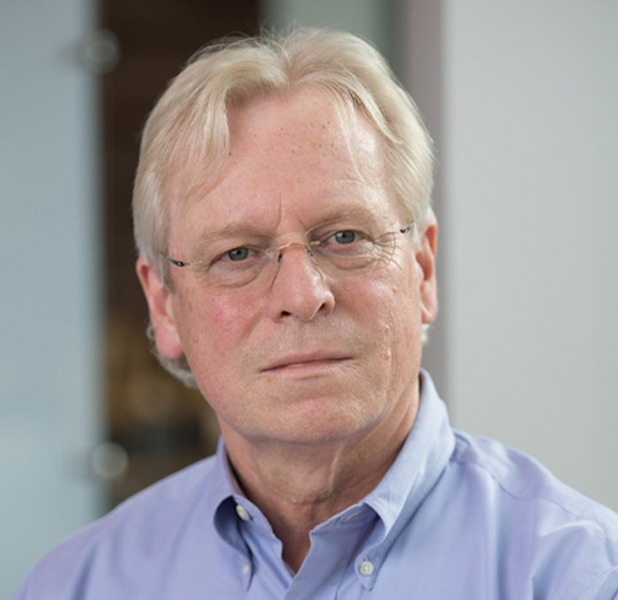
Manfred Diehl, PhD
University Distinguished Professor Emeritus, Colorado State University
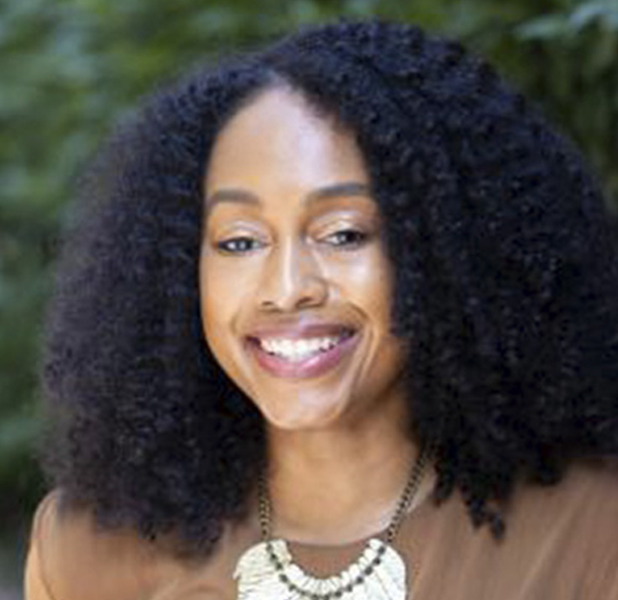
Tanisha Hill-Jarrett, PhD
Assistant Professor of Neuroscience, UCSF Edward and Pearl Fein Memory and Aging Center
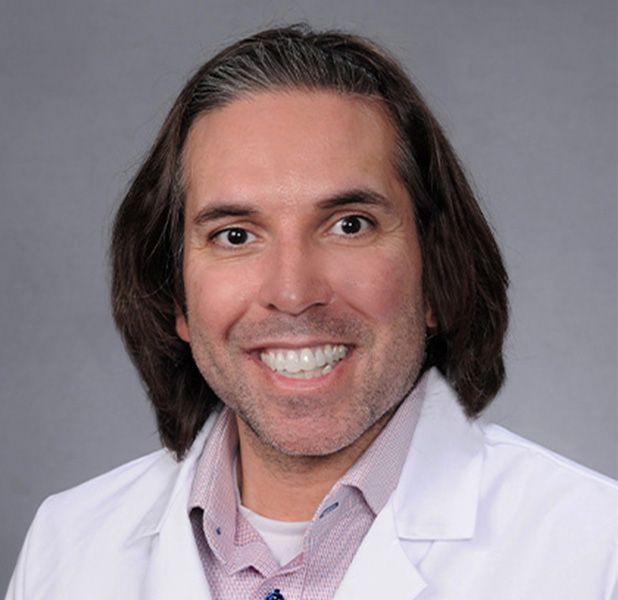
Daniel Jimenez, PhD
Associate Professor of Psychiatry and Behavioral Sciences,
University of Miami Miller School of Medicine
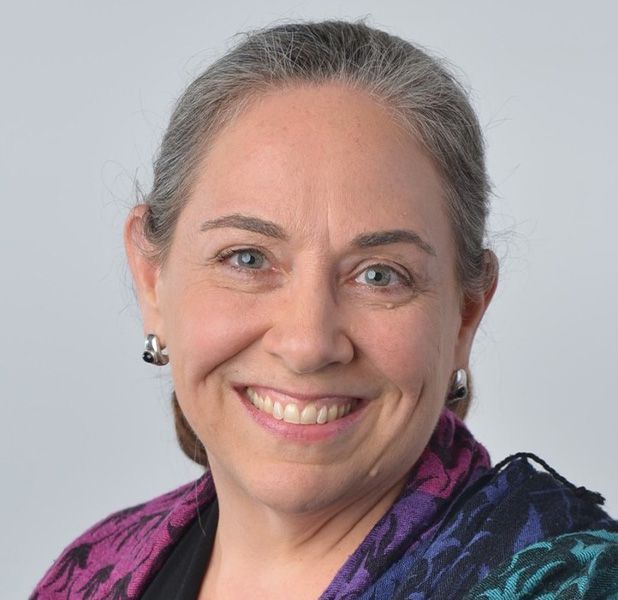
Ann Steffen, PhD, ABPP
Founders Professor of Psychological and Brain Sciences, University of Missouri–St. Louis
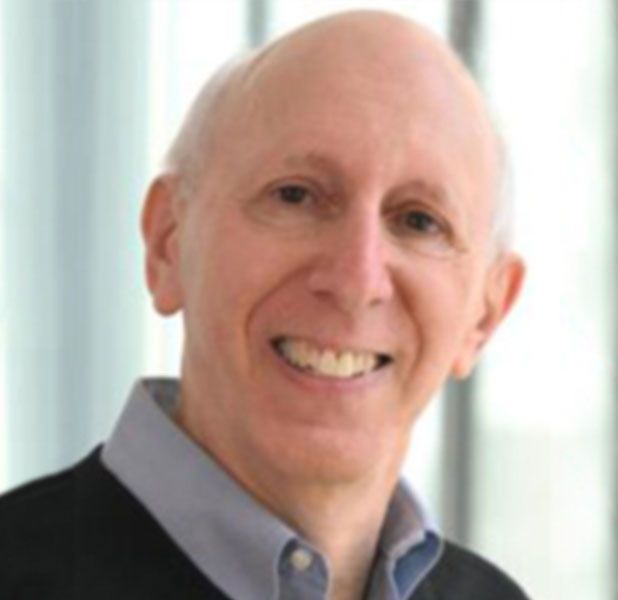
Yaakov Stern, PhD
Florence Irving Professor of Neuropsychology, Columbia University Vagelos College of Physicians and Surgeons
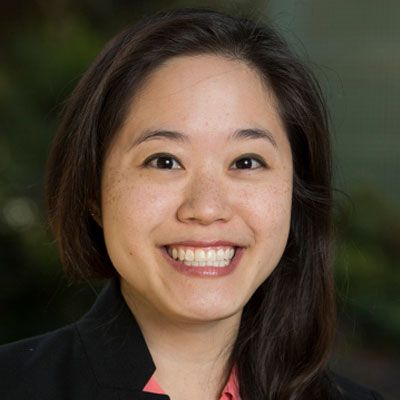
Rachel Wu, PhD
Professor of Psychology, University of California, Riverside
Speakers, session times, and locations subject to change.