THE feature stage
Ballroom C | In-Person and Virtual
lead through
DISCOVERY
At the APA 2026 Feature Stage, you'll find engaging keynotes, featured sessions from APA Divisions, and thought-provoking Science Summits. Explore innovative ideas and fresh perspectives across psychological science and practice—and see where discovery can lead.
CE information coming soon.
View our Program Content Disclaimer and other convention policies.
JUMP TO:
THURSDAY, August 6
Keynote Session
Ethics
10–11 a.m. ET
1.0 CE Credit
Ethics in the Age of Looking Away
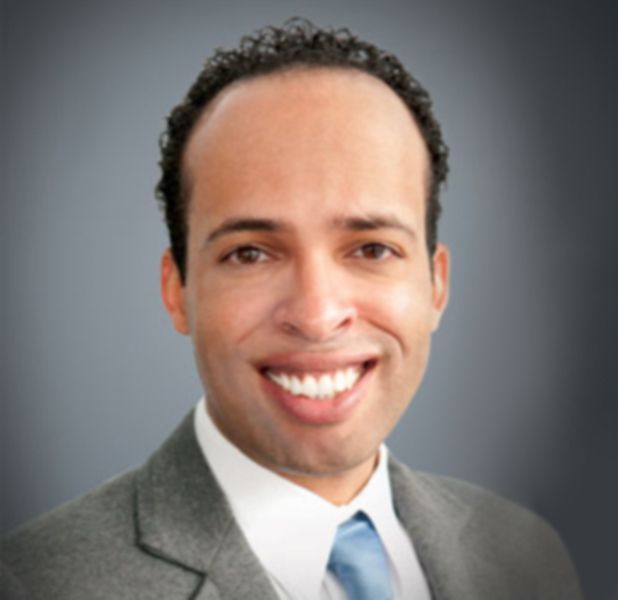
Hector Adames, PhD
Professor and Program Chair, Department of Counseling Psychology, The Chicago School of Professional Psychology
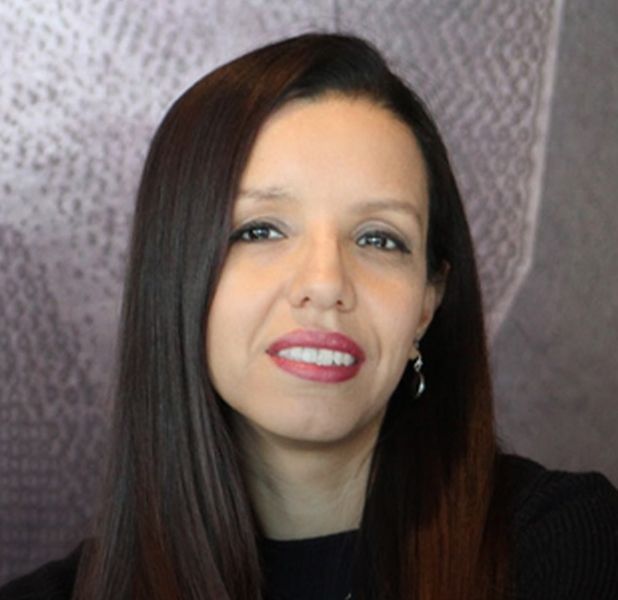
Nayeli Chavez, PhD
Professor, Department of Counseling Psychology, The Chicago School of Professional Psychology
The Ethics of Multicultural Therapy
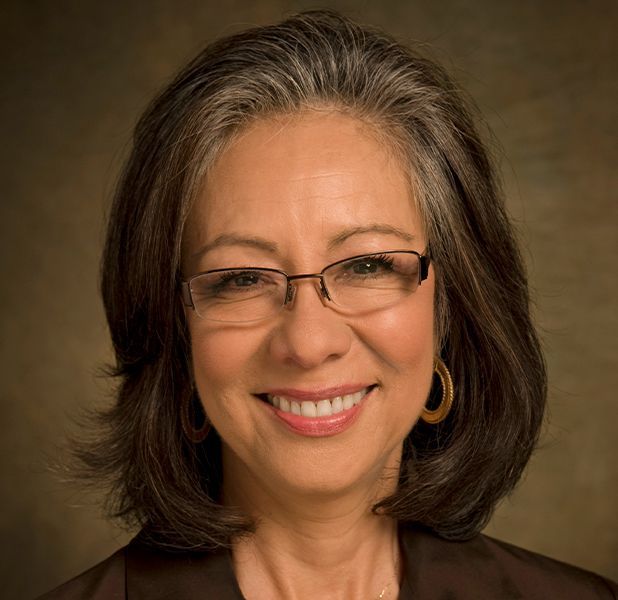
Melba Vasquez, PhD
Psychologist/Executive Director, Vasquez Associates Mental Health Services
Keynote Session
Intersectionality
1–2 p.m. ET
1.0 CE Credit
The Transformative Power of Intersectionality: Why the U.S. Needs More Critical Psychology NOW!
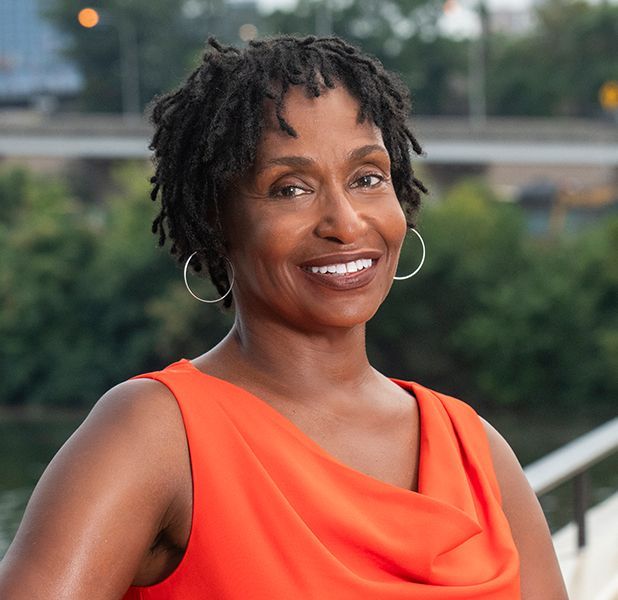
Lisa Bowleg, PhD, MA
Founder and CEO, Intersectionality Training Institute®, Professor Emeritus, Department of Psychological and Brain Sciences, George Washington University
Backtalking to Reclaim Intersectionality in Theory and Practice
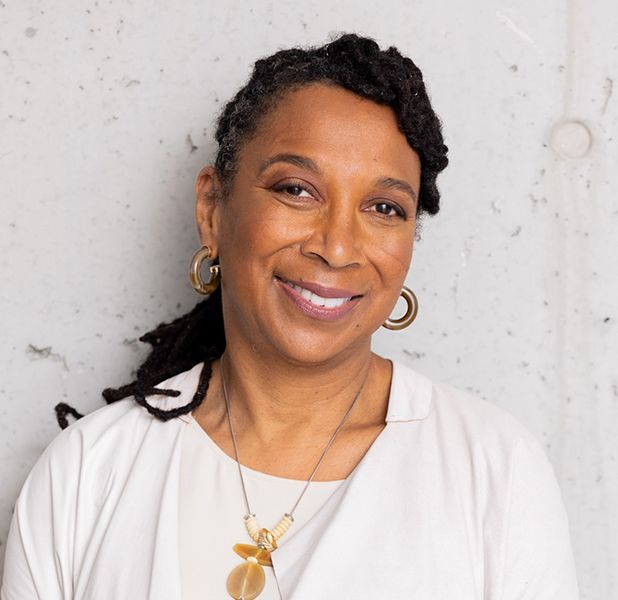
Kimberlé Crenshaw, JD
Isidor and Seville Sulzbacher Professor of Law, Columbia Law School
Keynote Session
Artificial Intelligence
2:30–3:30 p.m. ET
1.0 CE Credit
Keeping Humans Safe in the AI Era: Why Psychological Science Belongs at the Center of Model Evaluation
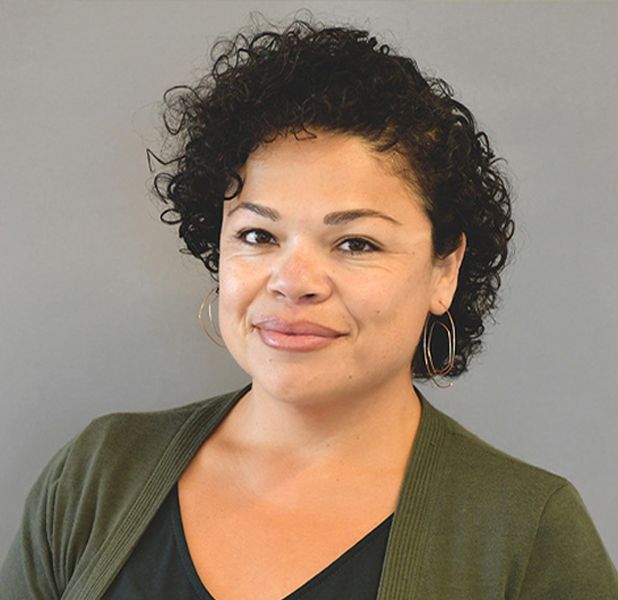
Alison Cerezo, PhD
Chief Science Officer, mpathic
The Largest Behavioral Experiment in Human History
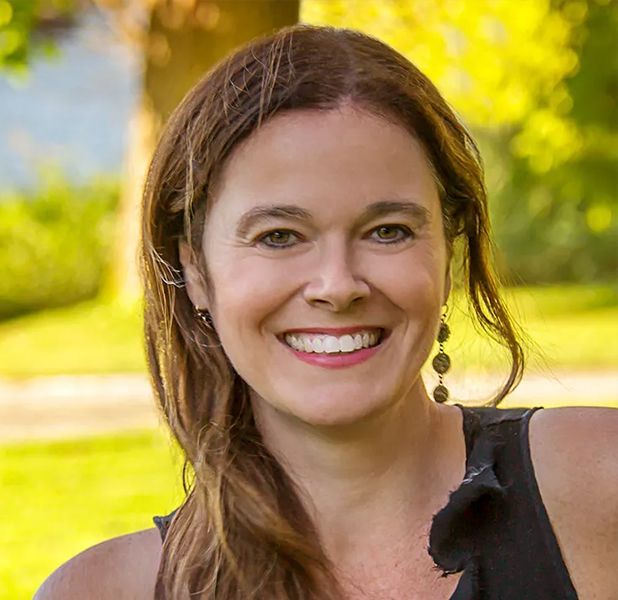
Kieran Snyder, PhD
VP of Product, AI, Microsoft
critical conversation
Radical Hope, Radical Joy, Radical Resistance: Strategies for Courageous Leadership
4–5 p.m. ET
1.0 CE Credit
In a sociopolitical climate marked by fear, surveillance, and heightened risk for immigrant and marginalized communities, psychology is being called to move beyond performative solidarity toward collective action. This session centers radical hope, radical joy, and radical resistance as a call-to-action for advancing inclusion, belonging, and accountability in our field, with particular attention to students and early-career psychologists.
Featuring perspectives from Ethnic Psychological Association (EPA) presidents, the discussion examines how psychologists can operationalize values during periods of increased political tension. Panelists will share strategies for strengthening coalition-based leadership, improving transparency and communication, and identifying pathways for support that reduce harm. Attendees will leave with practical approaches to (a) center student and community needs in decision-making, (b) mobilize coordinated responses across organizations, and (c) translate shared commitments into non-performative action.
Speakers Include:
- Wendi S. Williams, PhD, 2026 APA President
- Donna Lynne Demanarig, PhD, Visiting Assistant Professor, College of the Holy Cross; Asian American Psychological Association
- Mark SE Baez, LSP, LCDC, CCBT, MA/MS, PhD, Society of Indian Psychologists; Bemidji State University
- Oswaldo Moreno, PhD, Virginia Commonwealth University
- Layli Khaghani, PsyD, AMENA-Psy
Fireside Chat with EPA Heads
4:00-5:00 p.m. ET
This critical conversation examines how AI is being applied in therapy, social relationships, and work through three different disciplinary lenses (clinical, social/developmental, and industrial/organizational psychology). Speakers will consider how insights from diverse fields can inform our understanding of the implications of AI use across psychological disciplines.
Friday, August 7
Division Session
When the Trauma Doesn’t End: Providing Care in Unprecedented Times
8:30–9:30 a.m. ET
1.0 CE Credit
Clinicians are providing care amid ongoing societal, political, economic, and environmental crises that strain clients, families, providers, and systems. This Critical Conversation highlights the impact of intersecting stressors and parallel experiences of trauma on care. Strategies for sustaining trauma-informed care will be collaboratively explored.
Speakers Include:
- Keaton Somerville, PhD, Postdoctoral Fellow, Kennedy Krieger Institute, Johns Hopkins School of Medicine
- Ernestine C. Briggs-King, PhD, Kennedy Krieger Institute, Johns Hopkins School of Medicine
- Jennifer Shepard Payne, PhD, Kennedy Krieger Institute, Johns Hopkins School of Medicine
- Jennifer Serico, Kennedy Krieger Institute, Kennedy Krieger Institute, Johns Hopkins School of Medicine
- Marilyn Camacho, Kennedy Krieger Institute, Johns Hopkins School of Medicine
Presidential Program
Spotlight on the 100 Psychologists Rising Initiative
11:30 a.m.–12:30 p.m. ET
100 Psychologists Rising amplifies psychologists working in non-traditional contexts to inspire the field's evolution beyond conventional boundaries. ThisTED Talk-style session highlights innovative applications of psychological science across diverse sectors.
Science Summit
Science Summit
1:00-2:00 p.m. ET
[Placeholder text]
1–2 p.m. ET
1.0 CE Credit
The intersection of psychology and the legal system is dynamic and critically important for the public good. Psychological science has implications for the fairness and effectiveness of legal procedures, informing development of policy, interpretation of the law, and the practice of law. This session will highlight the vital contributions of psychological science to ensuring that legal systems and legal decisions are informed by evidence concerning human behavior, cognition, and development.
Speakers Include:
- Leslie Ellis, PhD, Founder and Senior Jury Consultant, The Caissa Group LLC
- Margaret Bull Kovera, PhD, Presidential Scholar and Professor of Psychology, John Jay College of Criminal Justice and the Graduate Center, CUNY
- Alisa K. Lincoln, PhD, Director of the Institute for Health Equity and Social Justice Research Professor of Sociology and Public Health, Northeastern University
- Jennifer L. Woolard, PhD,
Moderator,
Vice Dean for Faculty Affairs, College of Arts & Sciences Professor of Psychology, Adjunct Professor of Law, Georgetown University
Division Session
Breaking Into Consulting: Real-World Insights for Success
2:30–3:30 p.m. ET
1.0 CE Credit
Breaking into consulting offers psychologists the opportunity to turn expertise into real-world impact. Consulting psychology applies knowledge from diverse disciplines to enhance the effectiveness of individuals, teams, organizations, and systems. This session provides actionable strategies and practical insights to leverage your academic and professional foundations and build influence and impact.
Speakers Include:
- Ryan C. Warner, PhD, Consulting Psychologist, RC Warner Consulting
- Gregory Pennington, PhD, Managing Partner, Pennpoint Consulting Group, LLC
Science Summit
Science Summit 2
4:00-5:00 p.m. ET
[Placeholder text]
science summit
AI as a Catalyst for Discovery in Psychological Science
4–5 p.m. ET
1.0 CE Credit
Artificial intelligence is changing our world in fundamental ways, including how psychological science is conducted. There are tremendous opportunities for discovery as well as serious cautions. How can psychological scientists use AI as a catalyst for research innovation to better understand human behavior while mitigating biases and protecting privacy and safety? And what is the role for psychological science in leading the way for the ethical and responsible use of AI?
saturday, August 8
8:30–9:30 a.m. ET
1.0 CE Credit
This symposium centers Black immigrant mental health, an understudied yet growing segment of the U.S. Black population. Presentations examine socioecological stressors, intra-racial variation in the Strong Black Woman schema, and culturally grounded healing among Liberian peacemakers, highlighting methodological and theoretical considerations for psychological research and practice.
Speakers Include:
- Nancy A. Adane, MEd, Tennessee State University
- Vanessa E. Anyanso, PhD, University of Minnesota Twin Cities
- Koree Badio, University of Florida
10:30–11:30 a.m. ET
1.0 CE Credit
Teaching gender is increasingly politically contested, and faculty face pressure over course content. This interactive session presents evidence-based developmental frameworks and practical tools, including syllabus language and alignment with course objectives, that enable instructors to teach gender accurately while remaining within academic freedom protections and updating outdated developmental theories.
- Emily Keener, PhD, Slippery Rock University of Pennsylvania
12–1 p.m. ET
Money is a pervasive yet under-addressed topic in clinical training and practice. This skill-building session introduces feminist financial psychology, guiding participants to examine personal money beliefs, identify common financial schemas, and apply ethical, practical tools for integrating money-related conversations into psychotherapy.
Speakers Include:
- Courtney Crisp, PsyD, Crisp Psychology Group; Pepperdine University Graduate School of Education and Psychology (GSEP)
- Diane W. Darling, PhD, Southern Utah University
3–4 p.m. ET
1.0 CE Credit
This skill building session will demonstrate an interdisciplinary, evidence-based approach to support public climate change coping and adaption, integrating knowledge from psychology, environmental social science, and counseling and psychotherapy, that is also being applied with groups at high risk for eco-distress such as front line conservationists and zoo and aquarium professionals.
Speakers Include:
- Thomas J. Doherty, PsyD, Sustainable Self, LLC
- John Fraser,
PhD, Private Practice
Speakers, session times, and locations subject to change.